Energy and Raw Materials

GNSS and Earth Observation provide valuable data to the energy and raw materials sectors – data that helps guide everything from site selection to planning and monitoring construction projects. When a site or mine becomes operational, Copernicus data is used to monitor its operational life and environmental impact. Galileo’s timing data can synchronise energy networks and smart grids, while mining operations depend on its precise positioning information to safely move machinery and heavy equipment.    

Energy and Raw Materials In Action

Image
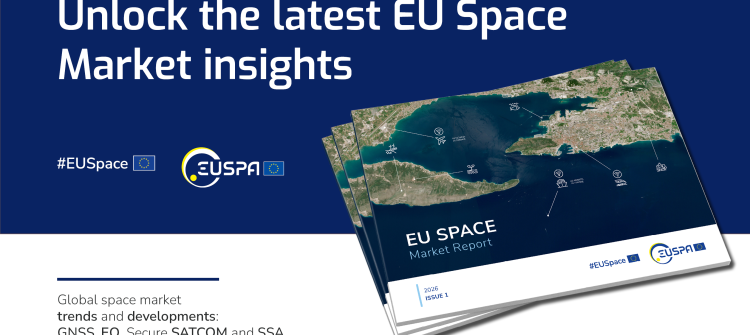
The report reflects how global space downstream sector has expanded beyond Earth Observation and Global Navigation Satellite System to include emerging areas like Secure Satellite Communication and Space Situational Awareness.

The report reflects how global space downstream sector has expanded beyond Earth Observation and Global Navigation Satellite System to include emerging areas like Secure Satellite Communication and Space Situational Awareness.

Image
Copernicus demonstrators

EUSPA’s Copernicus Demonstrators highlight how the insurance and finance, energy, and fisheries and aquaculture sectors can all benefit from using Earth Observation data.

Image
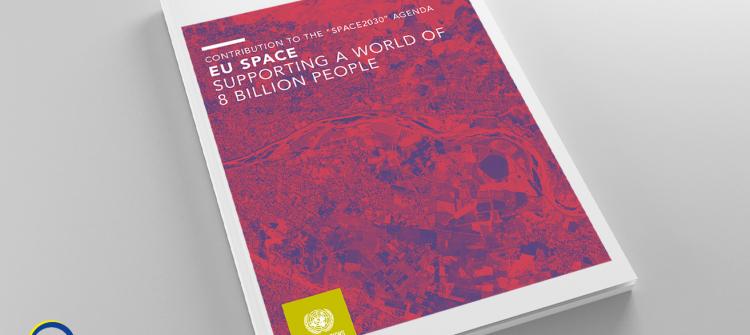
A new report by UNOOSA & EUSPA looks at how Copernicus, Galileo, EGNOS and GOVSATCOM can address such population-related challenges as food security, water management, climate change and the environment.

A new report by the EUSPA and United Nations Office for Outer Space Affairs (UNOOSA) highlight the many ways the EU Space Programme helps balance sustainable development with a rapidly growing population.

Image
The free data and services provided by the EU Space Programme will be a key enabler of Europe’s energy transition.

How EU Space can help build the autonomous renewable energy system that will power an energy independent and climate neutral future for Europe.

Downloads