
EU Space for energy
-
How the sector benefits from EU Space

-
Finding the right location to build energy infrastructure

-
Efficient operations and energy production

-
Keeping the grid in sync

-
EUSPA’s role

How the sector benefits from EU Space
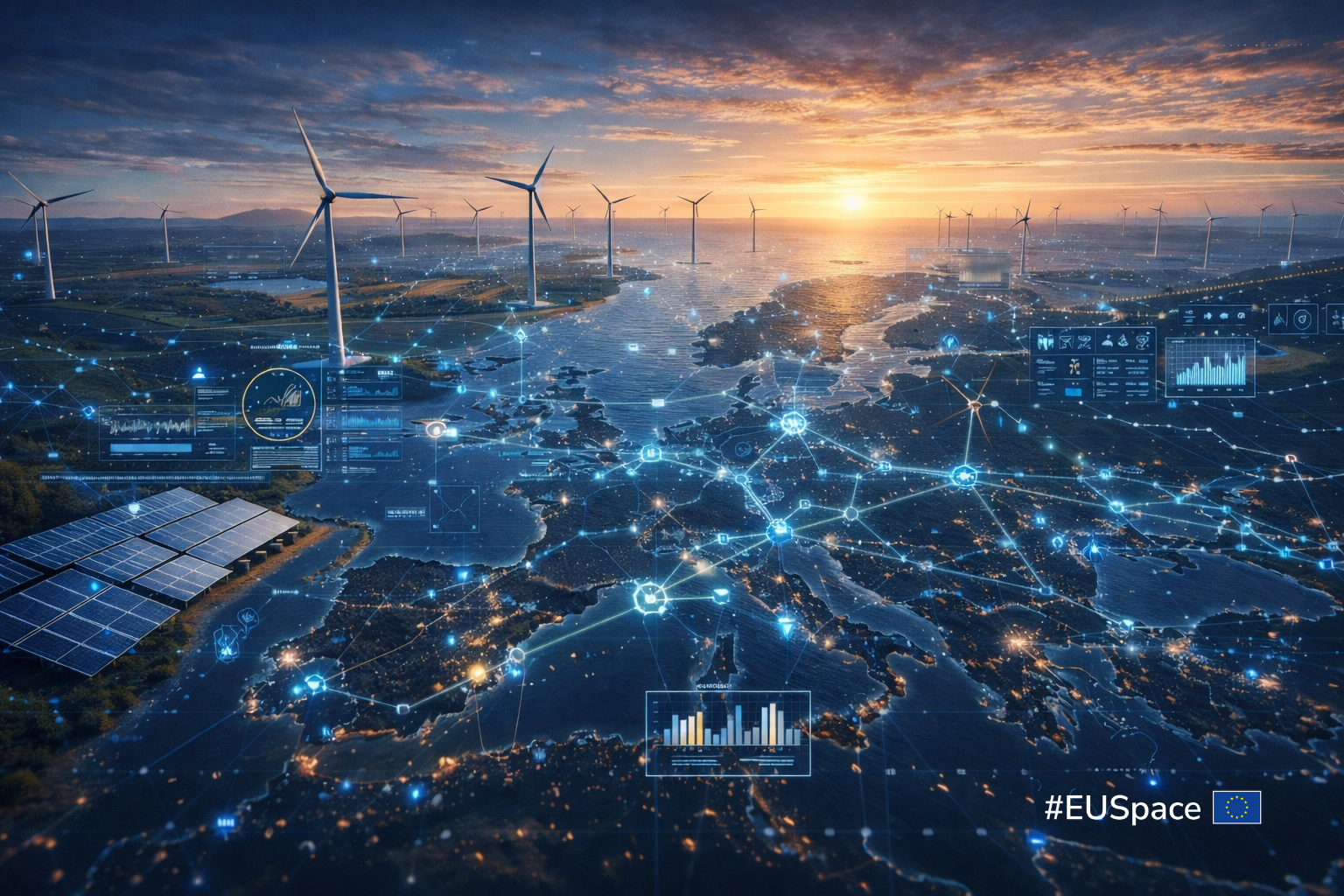
In 2025, nearly half of all EU electricity came from renewable sources (Energy products in total available energy). Managing this complex, distributed energy landscape, from site selection to grid balancing, increasingly depends on EU Space.
By leveraging the benefits of Galileo timing and synchronisation capabilities and Copernicus satellite data, energy stakeholders can better plan and monitor assets, audit environmental policies and regulations and gain an overall information edge.
Finding the right location to build energy infrastructure
Power plant owners and utility operators want to know where the best place to invest their money is.
Copernicus data makes finding the optimal site, and assessing its full renewable energy potential, easier when:

Copernicus data is used to help evaluate the environmental impact and ecological risks that the construction of an energy or utility site may have.
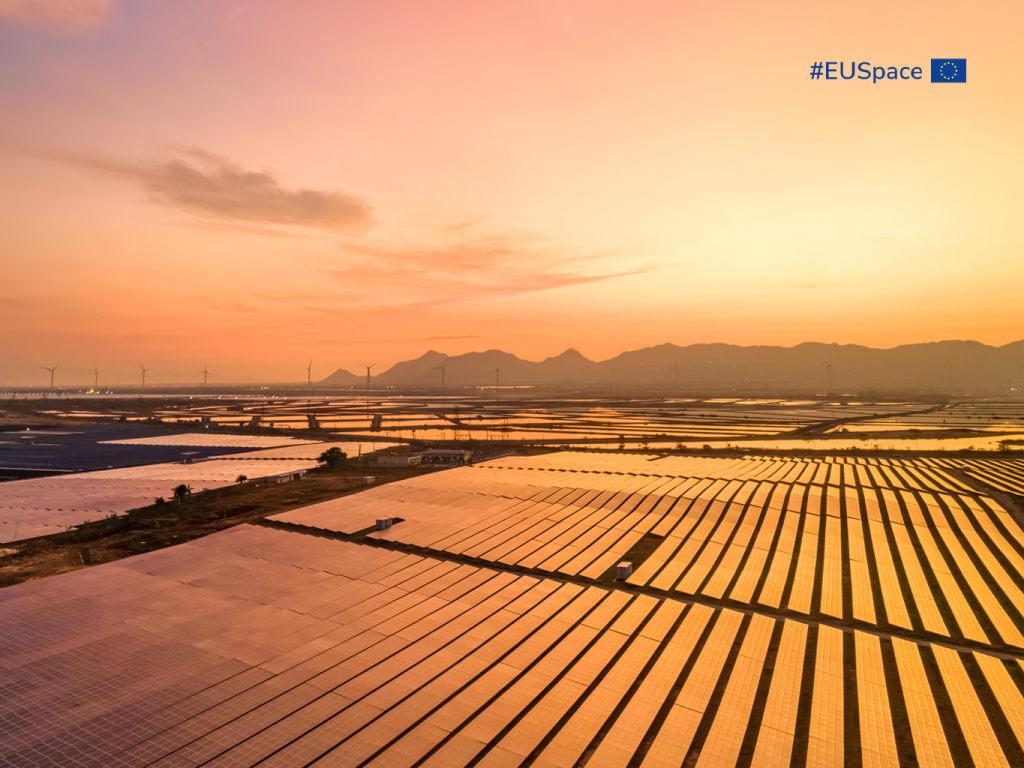
Copernicus maps solar radiation across the globe, giving energy developers the data they need to pinpoint the best location for solar farms.
By providing consistent, quality-controlled information about Europe’s past, present and potential future climate, Copernicus has emerged as the tool of choice for selecting the right site for wind turbines.
From tidal currents to wave heights, Copernicus ocean data is used to help engineers identify the most suitable site for ocean energy projects.
Efficient operations and energy production
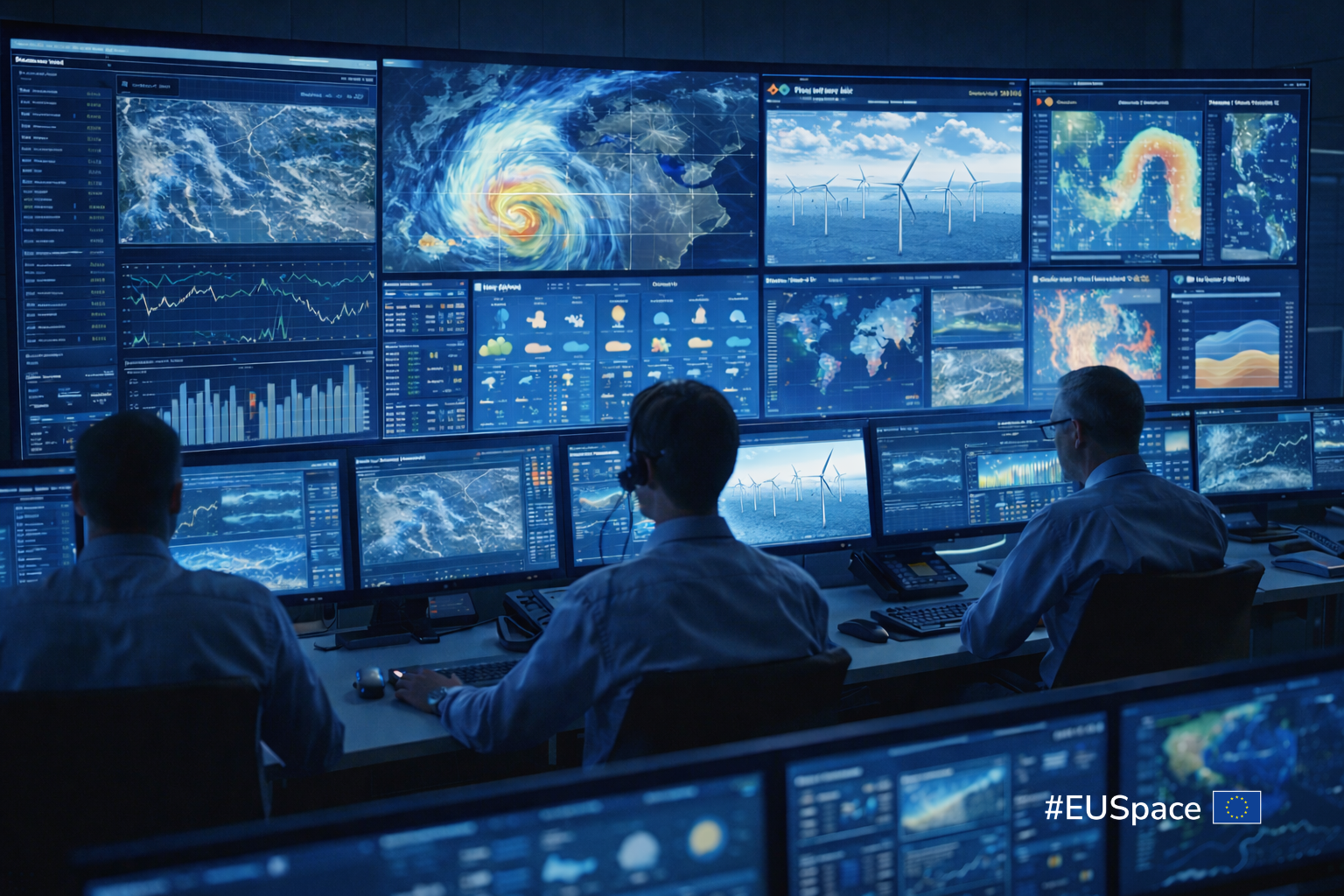
Once a site is selected, optimising energy outputs requires constant awareness of changing meteorological and atmospheric conditions.
Here’s how Copernicus data can help:
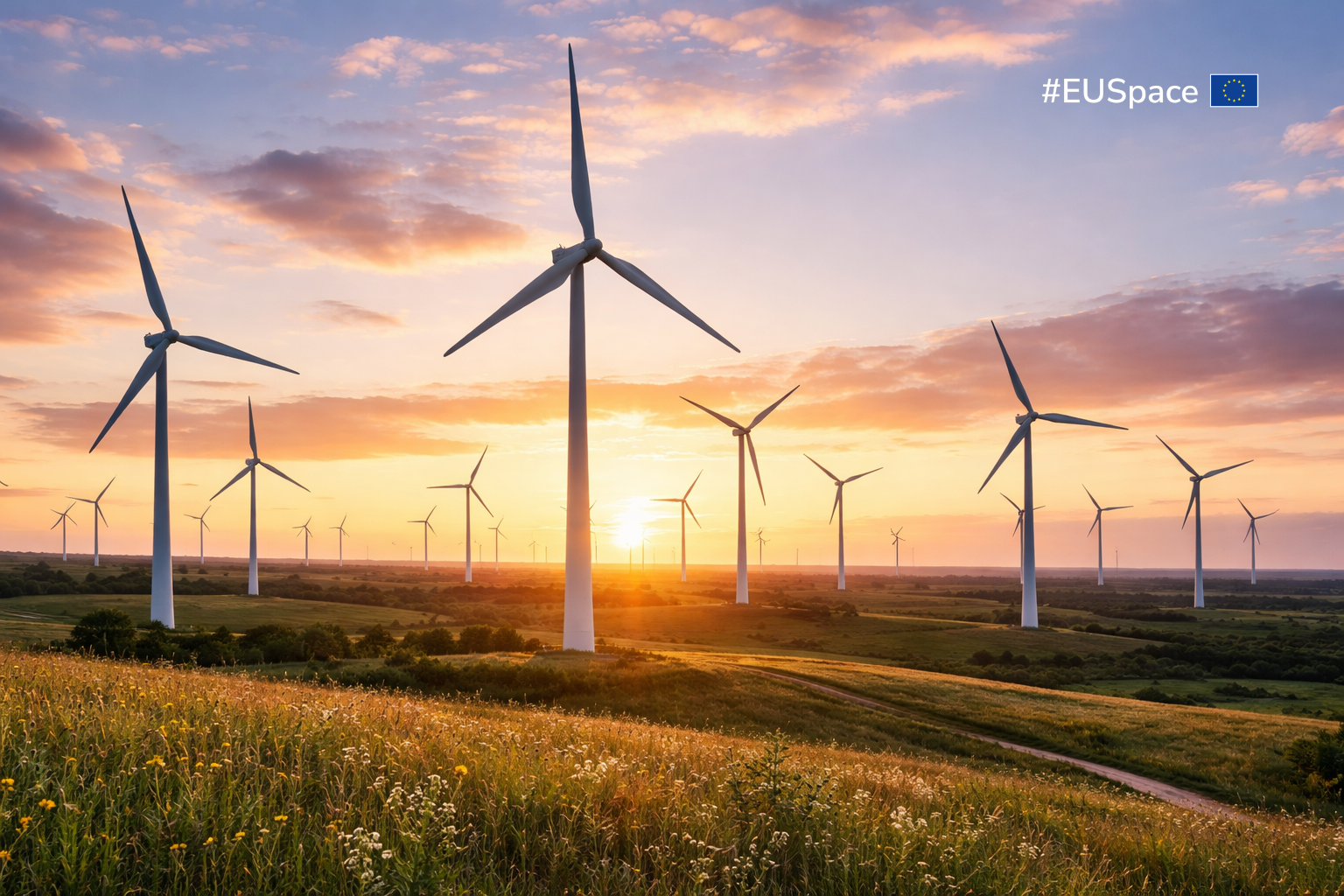
To optimise operations, wind energy companies rely on the high-quality information about wind variability provided by Copernicus.
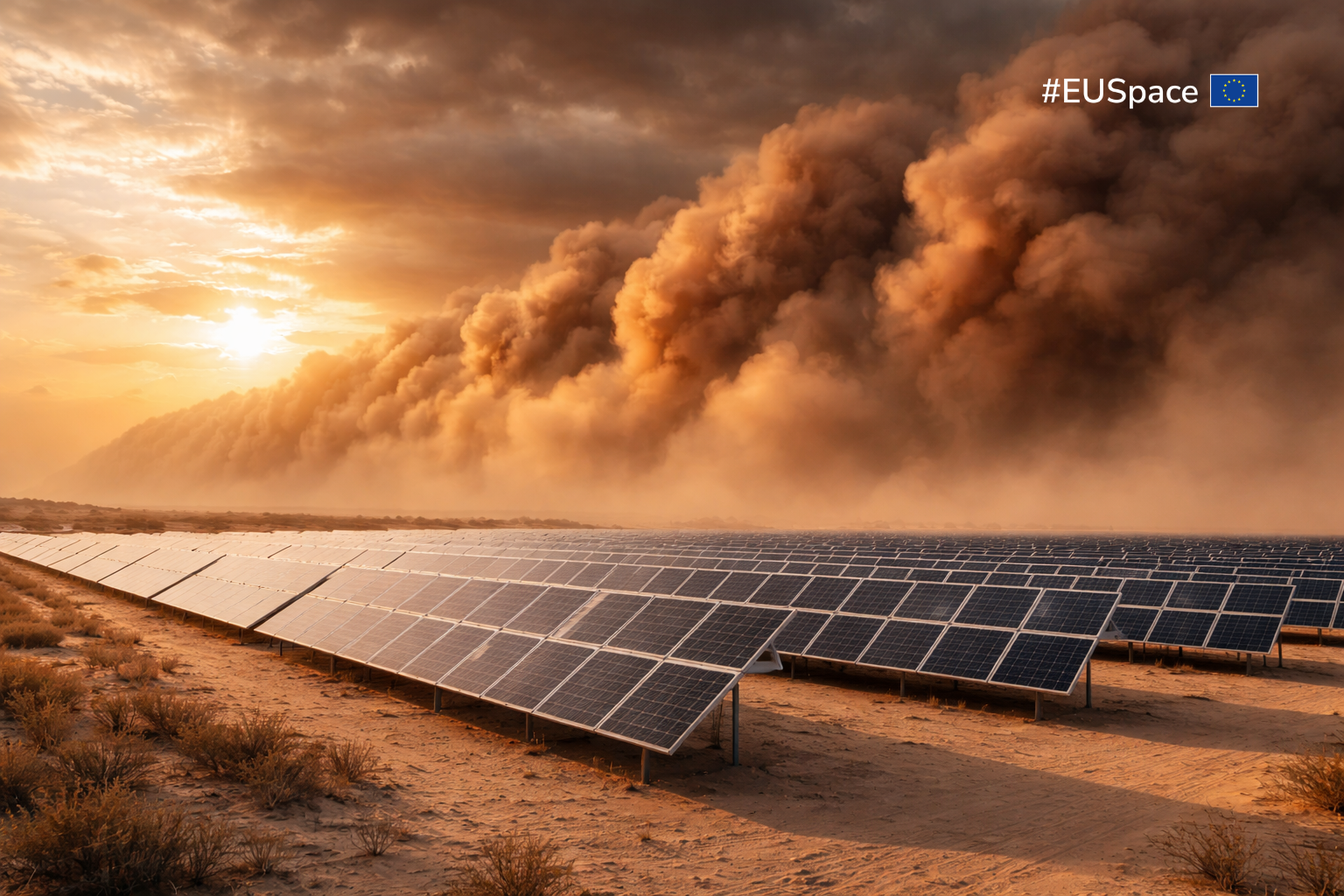
Solar plant operators depend on Copernicus-derived aerosol forecasts to better anticipate dust storms, which allow them to take steps to prevent UV-blocking dust from accumulating on their photovoltaic panels.
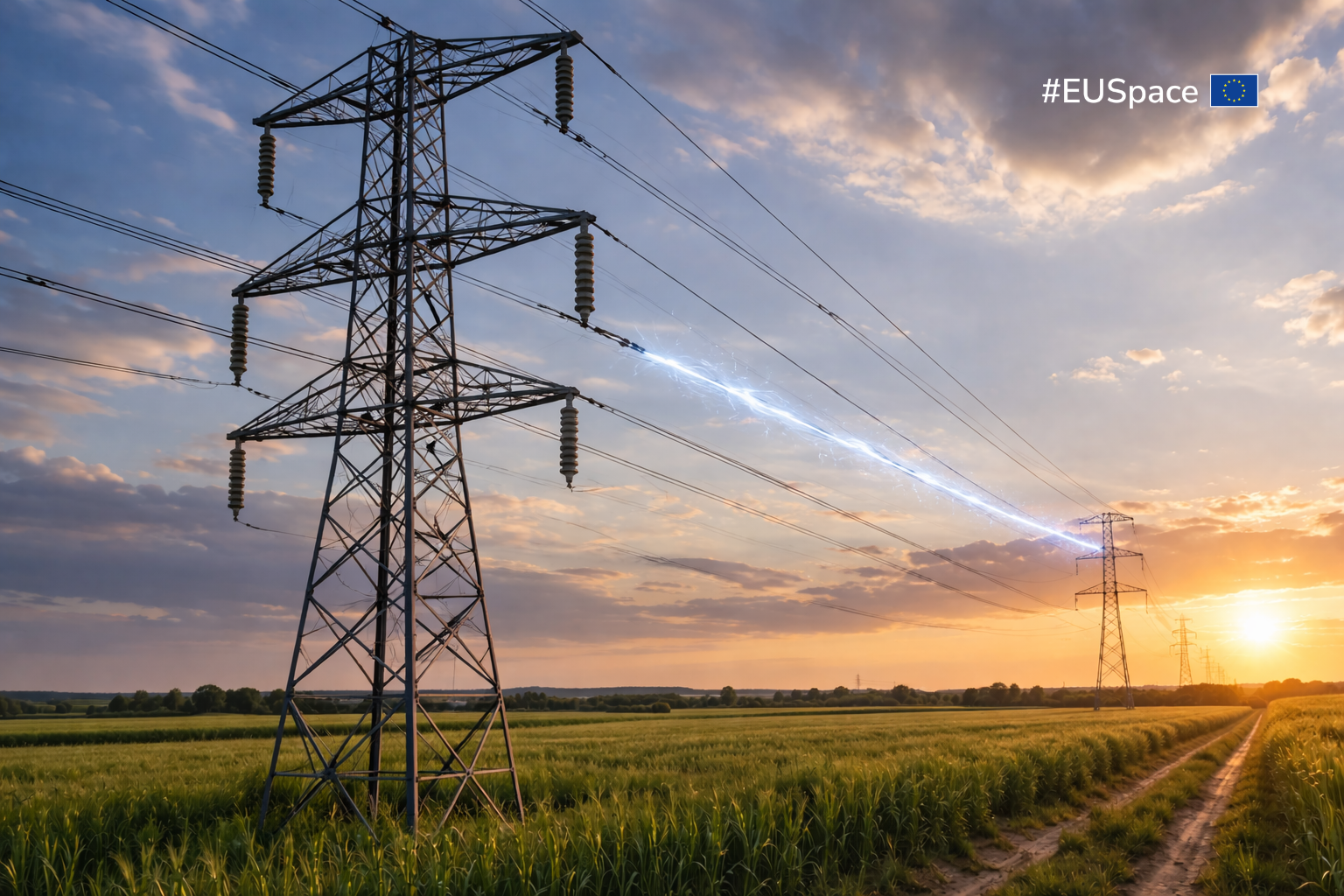
Energy producers and Transmission System Operators (TSOs) rely on Copernicus data to accurately estimate the amount of energy they will be able to generate. Specifically, Independent Power Producers (IPPs) use this information to determine how much energy they can supply to the grid, TSOs use it for grid balancing.
Energy companies also use Copernicus data to assess climate-related risks to infrastructure, from flood exposure to changing wind patterns, helping them make more resilient long-term investment decisions.
Keeping the grid in sync

Energy grids, including the smart grids that will carry energy from source to switch, depend on the robust synchronisation provided by Galileo.

To reduce the risk of outages, it is critical that the GNSS signals used for grid timing be resilient against interference. Here, not only does Galileo offer operators increased accuracy and robustness, it also adds an extra layer of authentication for protection against spoofing.
Add to this GNSS receivers’ low cost and the fact they can be easily implemented into a grid to enable real-time automatic control and it’s easy to see why Galileo is increasingly integrated in grid timing systems, adding resilience and authentication that other GNSS alone cannot provide.
EUSPA’s role
EUSPA supports the development of space-based solutions for the energy and utilities market by providing:
- funding
- competitions
- market intelligence
- mentoring
- training
- skills development