
European GNSS Provides a Cost-Efficient and Safe Solution to Rail Sector
Disclaimer
This page has been archived and is provided for historical reference purposes only. The content and links are no longer maintained and may now be outdated.
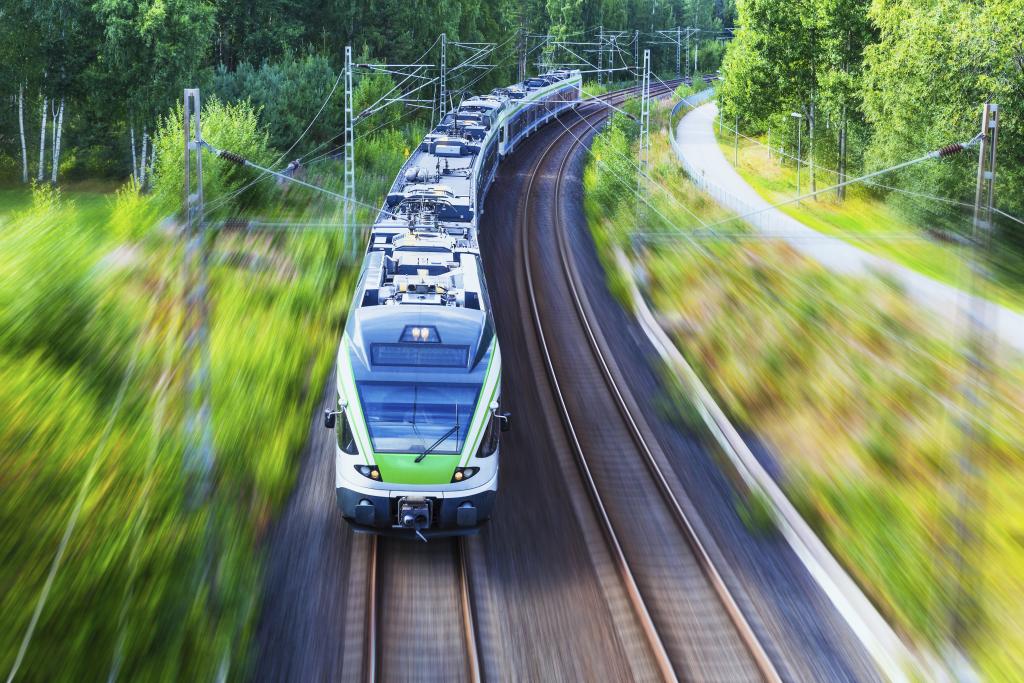
A recent cost benefit analysis shows the positive impact satellite technologies can have on the rail sector.
Europe’s many low-density rail lines have been the subject of ongoing discussions. The main issue with these lines is they have high maintenance and operation requirements, which makes them particularly expensive.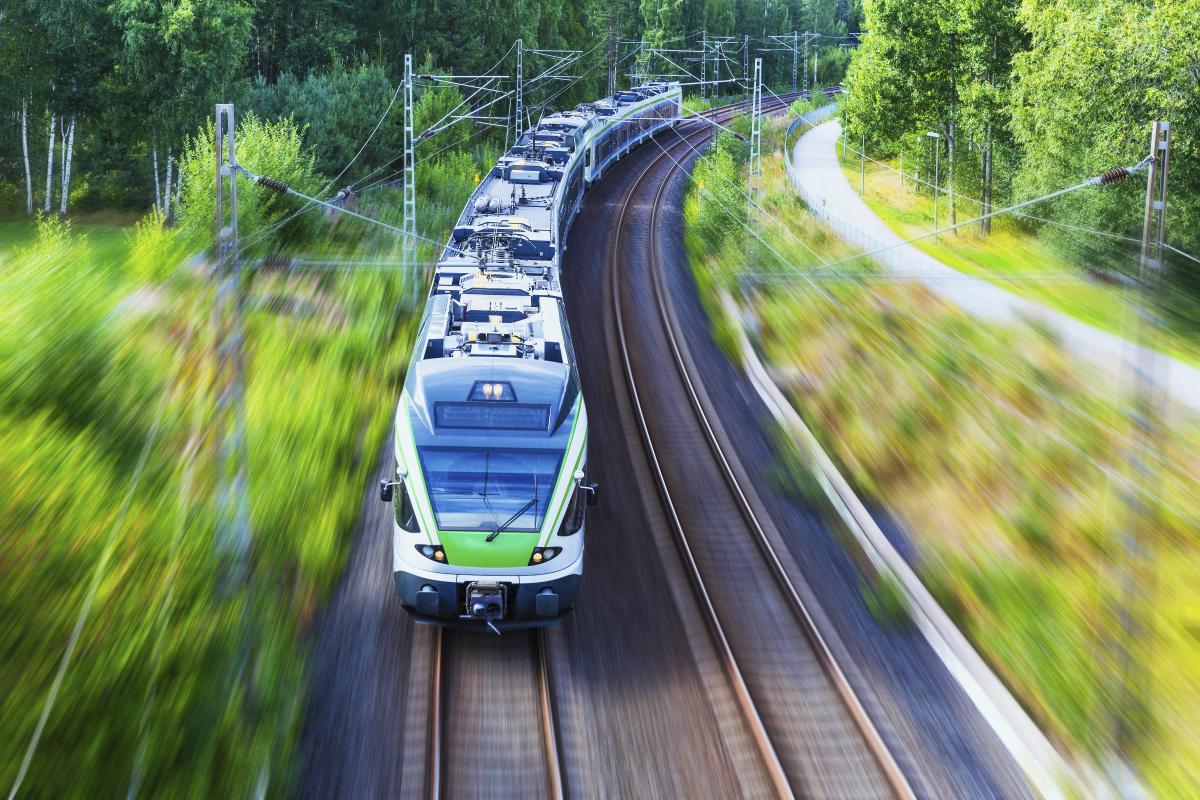
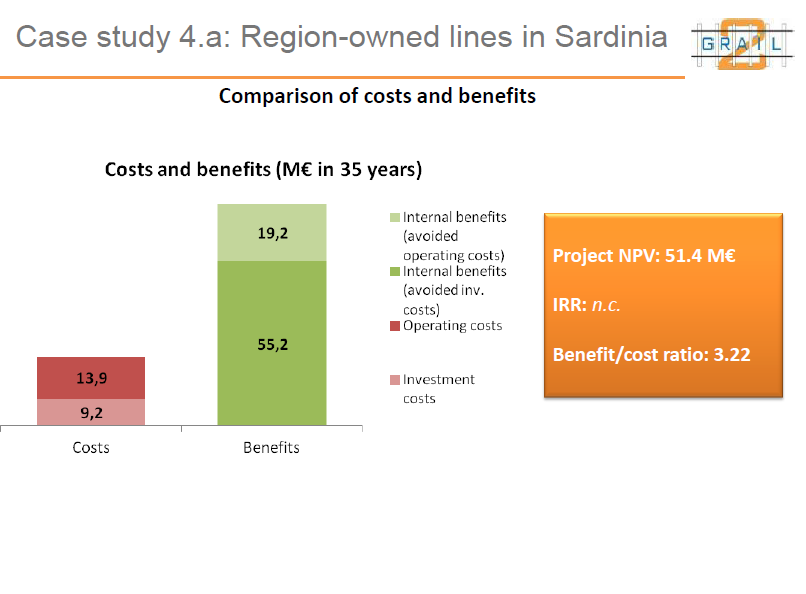
The consortium of GSA co-funded FP7 project GRAIL-2 recently conducted a cost/benefit analysis to evaluate the potential impact satellite technologies – including Galileo – can have on reducing some of these perceived inefficiencies. The conclusion is that European GNSS can offer an efficient solution for improving signaling system on Europe’s low density lines.
The study included several case studies in Sardinia (both RFI lines and region-owned lines), Ferrovia Del Liri and Pontremolese. The main finding of the study and perhaps of greatest benefit to the public is that the satellite solution can in specific cases generate a relevant increase in safety at a lower cost than other available solutions.
Other conclusions drawn from the study that favor GNSS-based solutions include:
• The GNSS-based train control/protection system can be especially beneficial in terms of operating costs for IMs as compared to other solutions for upgrading infrastructure
• The GNSS-based low density line train control solution can offer a range of benefit/cost ratios from 1.07 t0 3.89 (depending on the type of line, characteristics and current endowment)
With this information in hand, the next step is to apply the case studies to other relevant parts of the European regional network, including Central and Eastern Europe. This will also involve a fine-tuning of the analysis’ economic returns for the satellite sector and encourage further investigations of possible inclusion of European GNSS functionalities into the evolutions of European Rail Traffic Management System (ERTMS) for the benefit of Europe´s regional rail networks.
Media note: This feature can be republished without charge provided the European GNSS Agency (GSA) is acknowledged as the source at the top or the bottom of the story. You must request permission before you use any of the photographs on the site. If you republish, we would be grateful if you could link back to the GSA website (http://www.gsa.europa.eu).