News archive

Filters

Industry sectors
  • Image
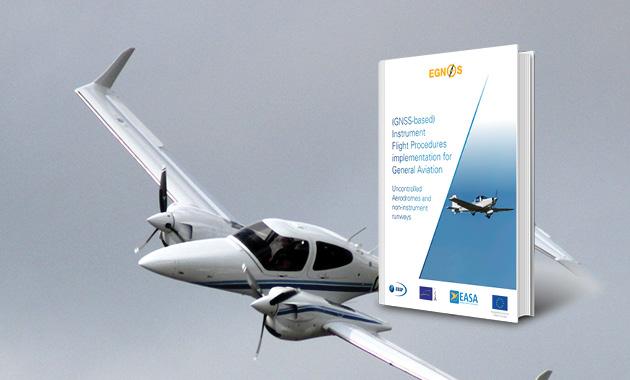
    The materials identify blocking points to a wider uptake of EGNOS-based procedures in general aviation
    Date

    Even though the General Aviation (GA) community undertakes millions of flights on aircraft equipped with GNSS-receivers, it is not taking full advantage of the technology. It is a priority of the European GNSS Agency (GSA) to support GA by facilitating instrument procedures with EGNOS. As a first step the GSA has identified enablers and blocking points along with aviation stakeholders and the European Aviation Safety Agency (EASA).

  • Image
    Synergies between satellite observation, navigation and communications support the most effective disaster management response
    Date

    When an emergency or a disaster hits a city or region, the priorities are to care for the wounded, restore infrastructure, provide logistics and basic services, and then to restore livelihoods and reconstruct communities. European GNSS – Galileo and EGNOS – supports applications and the delivery of critical services during the four key phases of the disaster management life cycle: preparedness, response, recovery, and mitigation.

  • Image
    GNSS supports precision agriculture and a more efficient implementation of the CAP
    Date

    GNSS is a key enabler of precision agriculture, allowing farmers to drive their tractors along parallel lines, avoid overlaps and gaps in field cultivation, and reduce their fatigue thanks to satellite-enabled autopilot. GNSS also helps to reduce agriculture’s ecological footprint – a win-win situation for society as a whole. Thanks to Galileo´s dual frequency and authentication capability, it can also help farmers and authorities in the frame of the Common Agricultural Policy (CAP).

  • Image
    Galileo is already present in more than 30% of the receivers models used for drone applications
    Date

    The drone market is booming and is set to outstrip any other GNSS user base in aviation and open up new business opportunities for application developers, according to a White Paper on European Global Navigation Satellite Systems (EGNSS) for drones operations, produced by the European GNSS Agency (GSA).

  • Image
    Funding downstream R&I is an important part of the GSA’s strategy to foster EGNSS uptake and boost EU competitiveness
    Date

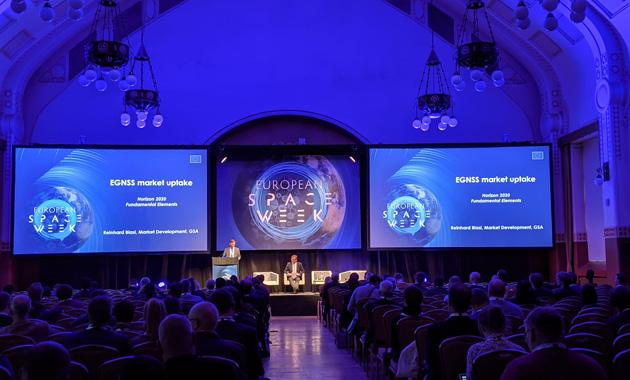
    The second day of the EU Space Week event in Helsinki opened with an overview of the final tranche of project calls under the Horizon 2020 space programme. The final Horizon 2020 EGNSS (Galileo and EGNOS) calls are now open, with a closing date of 5 March 2020. The session covered research and innovation topics across Copernicus, EGNOS and Galileo programmes and also took a look to the future with Horizon Europe.

  • Image
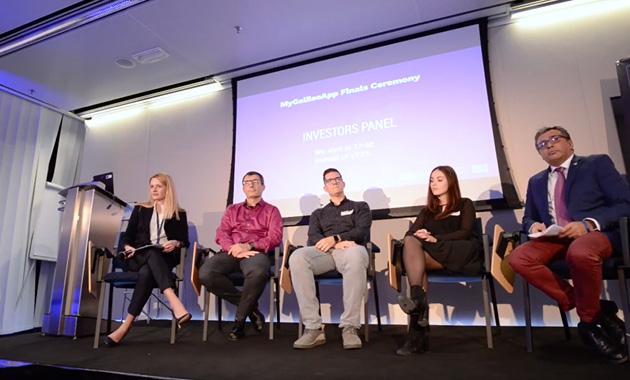
    Start-ups learned about the opportunities available to them at a dedicated MyGalileoApp panel discussion
    Date

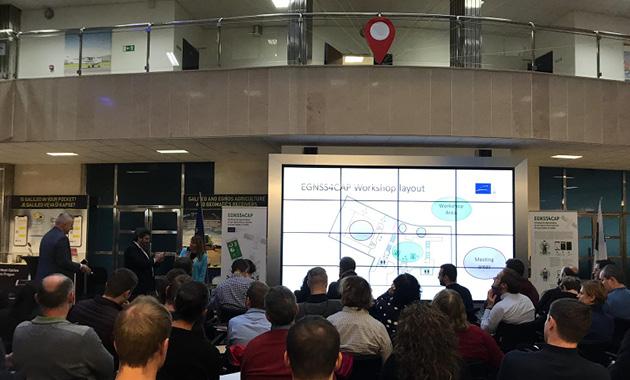
    Concrete funding opportunities that are available to space tech start-ups were in focus at the MyGalileoApp competition, held at the European GNSS Agency’s (GSA) headquarters in Prague on 7 November. At an investors panel discussion held as part of the event, start-ups heard about some of the concrete funding opportunities that are available to them.

  • Image
    MyGalileoApp competitors learned some of the key elements needed for a successful app
    Date

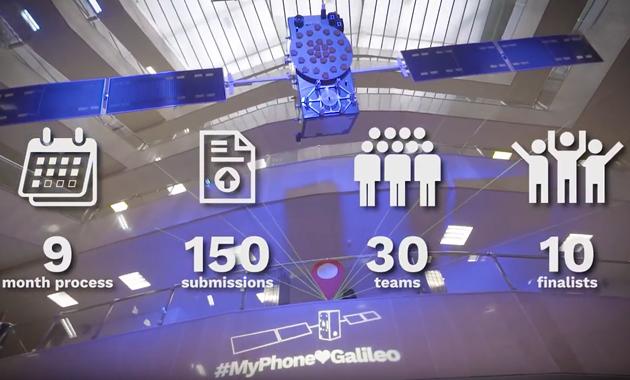
    The MyGalileoApp competition has contributed to the creation of an ecosystem that helps start-ups and other innovators to build innovative applications and grow while enabling both private and public investors to find and invest in projects of interest to them. At the MyGalileoApp finals, which took place at the European GNSS Agency’s (GSA) Prague headquarters at the start of November, start-ups heard about some of the key elements that they will need to succeed in a highly-competitive marketplace.

  • Image
    Participants at this year’s Galileo Masters in Helsinki.
    Date

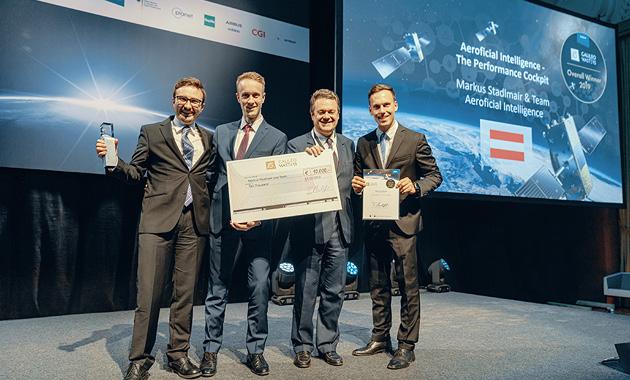
    Once again, the Galileo Masters – and its sister award programme the Copernicus Masters – was the glittering highlight of EU Space Week 2019 that took place in Helsinki on 3 to 5 December. In its 15th year the Galileo Masters continues to attract the attention of some of the brightest and best minds. Topics submitted to the competition this year ranged through digitisation, big data, the sharing economy and artificial intelligence (AI), amongst others, but all with a common theme: the use of European Global Navigation Satellite Systems (EGNSS) Galileo and/or EGNOS to benefit society.

  • Image
    The GIANO receiver will make critical infrastructure such as energy networks more robust against jamming and spoofing. ©Unsplash
    Date

    Thales Alenia Space has been awarded a grant under the European GNSS Agency’s (GSA) Fundamental Elements funding mechanism for the development of the GIANO (Galileo-based TIming Receiver for CriticAl INfrastructure Robustness) receiver, which aims to make critical infrastructure more robust against interference, jamming and spoofing.

  • Image
    Space is driving innovation and supporting service delivery across the global economy
    Date

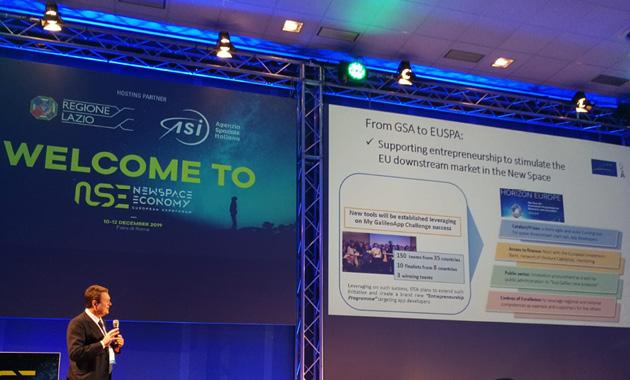
    The upstream space market, with its rocket launches and high-tech satellite payloads, may seem at a first glance to be the most exciting segment of the space industry. But when it comes to innovation, job and revenue creation and the provision of services that change people’s lives for the better, the downstream market is where the action is. This was the key message delivered by European GNSS Agency (GSA) Executive Director Carlo des Dorides at the New Space Economy forum in Rome on December 12.