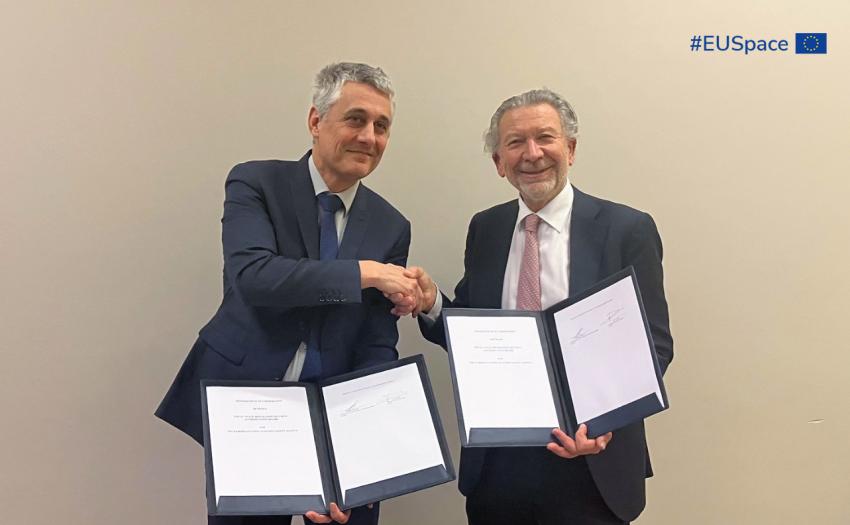
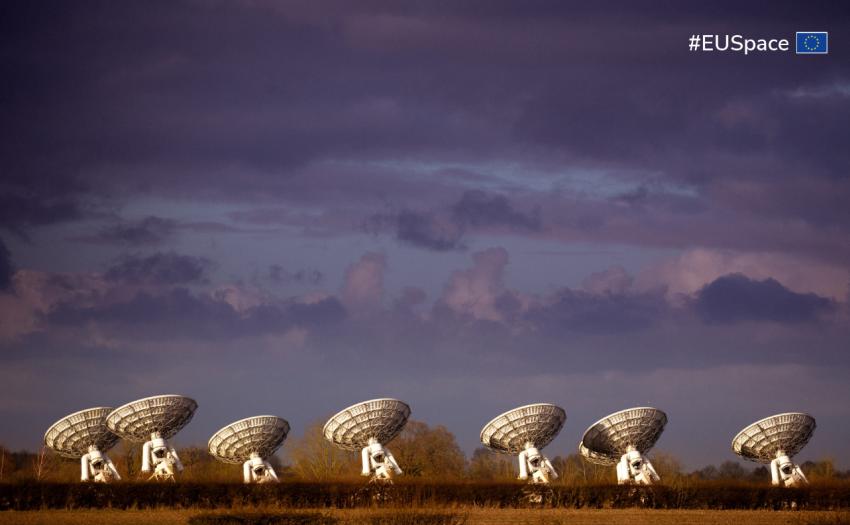
In collaboration with the European Union Aviation Safety Agency (EASA), the EU Space Programme Security Accreditation Board signed a Memorandum of Cooperation (MoC) aiming at fortifying efforts to ensure effective oversight of the European Geostationary Navigation Overlay Service (EGNOS) System and Operations.
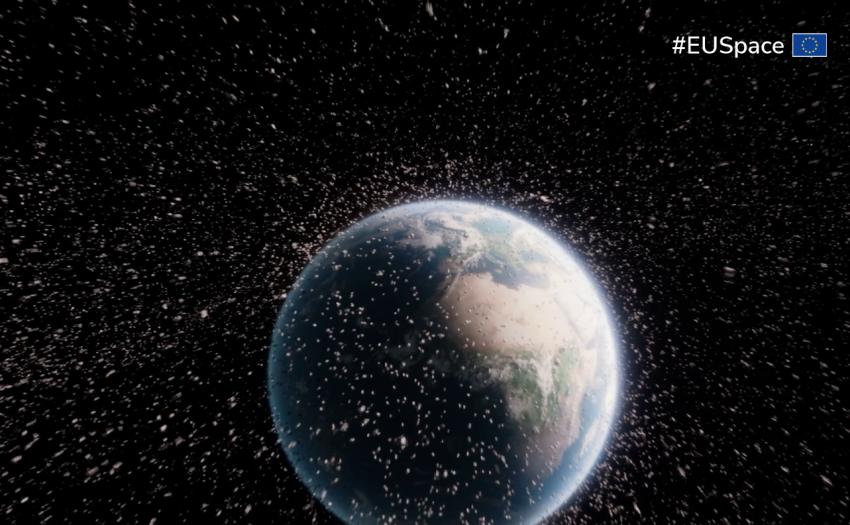
The EU Space Surveillance and Tracking (EU SST) contributes to ensuring the safety and sustainability of space activities, offering services to a growing community of worldwide users. Managed by EUSPA, the EU SST Front Desk is the interface for the provision of the SST services, which currently protect more than 400 satellites.
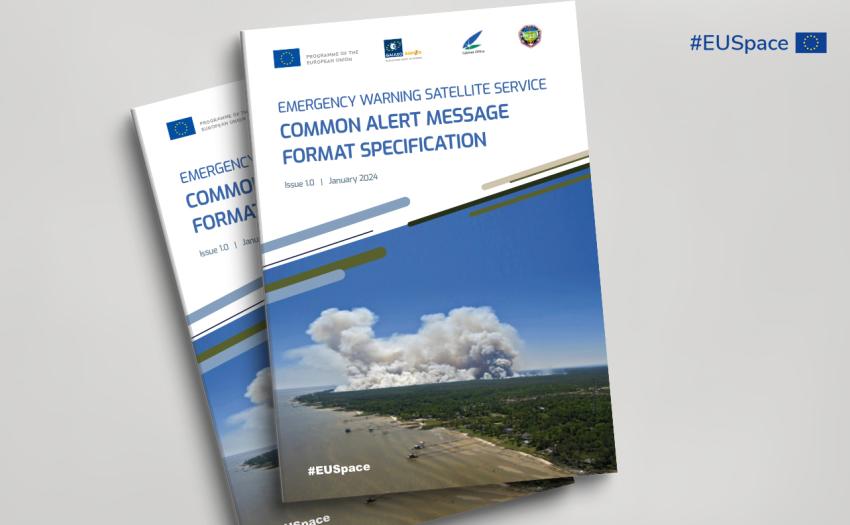
With end-users always at the centre of its action, the EU Space Programme continues to evolve, offering services that contribute to the safety and well-being of European citizens. One such service is the upcoming Galileo Emergency Warning Satellite Service (EWSS).
The Galileo High Accuracy Service (HAS) celebrates its successful first year setting this Galileo service apart from other GNSS augmentation services and is poised to meet the rising demand for high-precision global navigation services.
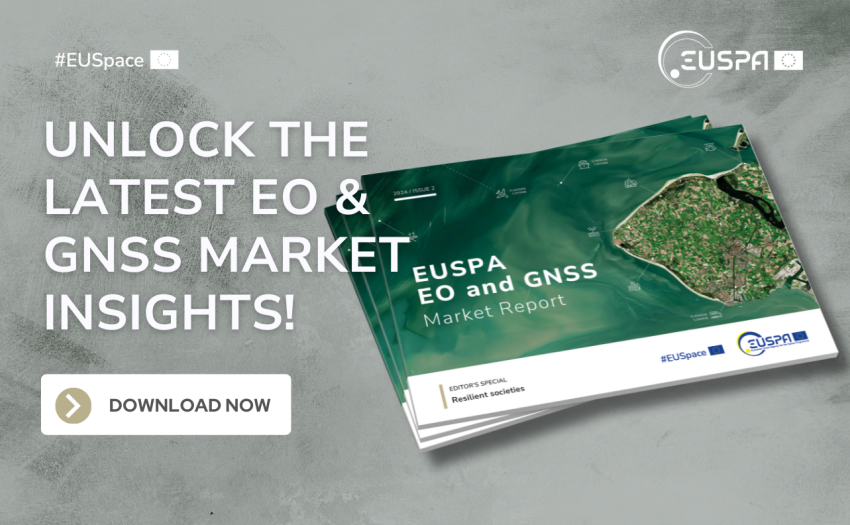
On the heels of its new Secure SATCOM Market and User Technology Report, EUSPA recently held a webinar covering everything from market opportunities to the latest technological trends.
The GIMS (Geodetic Integrated Monitoring System) project combines the Galileo European global navigation satellite system (GNSS), the Copernicus synthetic aperture radar (SAR) and inertial measurement units (IMUs) to detect and monitor landslides.
The newly published EUSpace4Ukraine white paper and interactive maps, called StoryMap help interested parties understand how EU space capabilities especially Earth Observation can benefit NGOs in areas of war and crises.