News archive

Filters

Industry sectors
  • Image
    Date

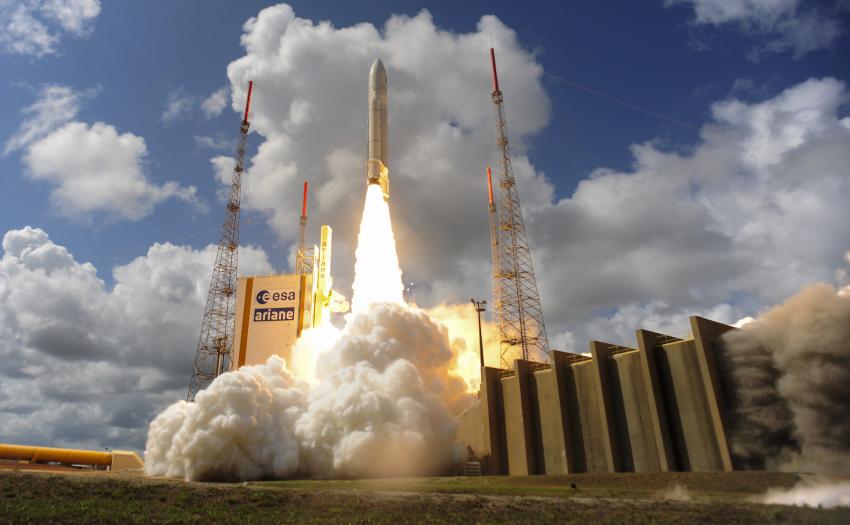
    Galileo, the European global satellite navigation system (GNSS), has made significant progress in recent years. Eighteen Galileo satellites are now orbiting the Earth, and the supporting ground station infrastructure is working well. As a result, Galileo is now ready to be used.
  • Image
    Date

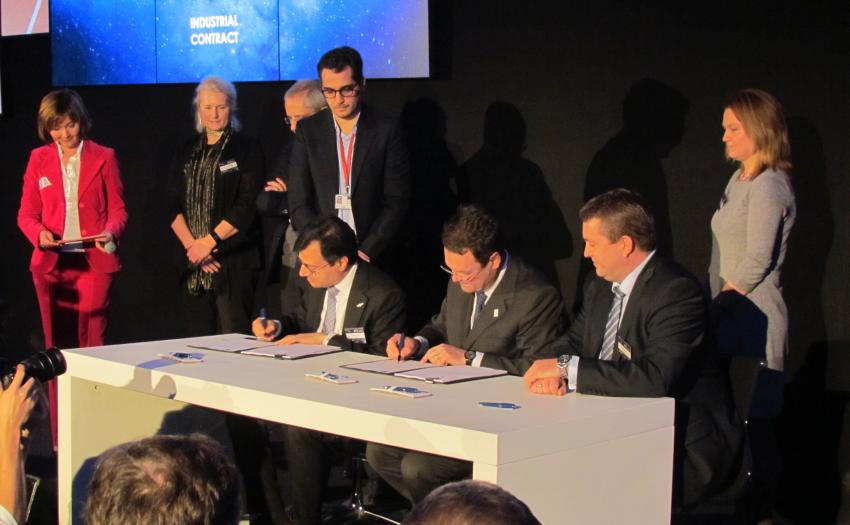
    Following a lengthy and complex tendering process that started in January 2015, the European GNSS Agency (GSA) awarded the Galileo Service Operator (GSOp) contract, with a value of up to EUR 1.5 billion, to Spaceopal.

  • Image
    Date

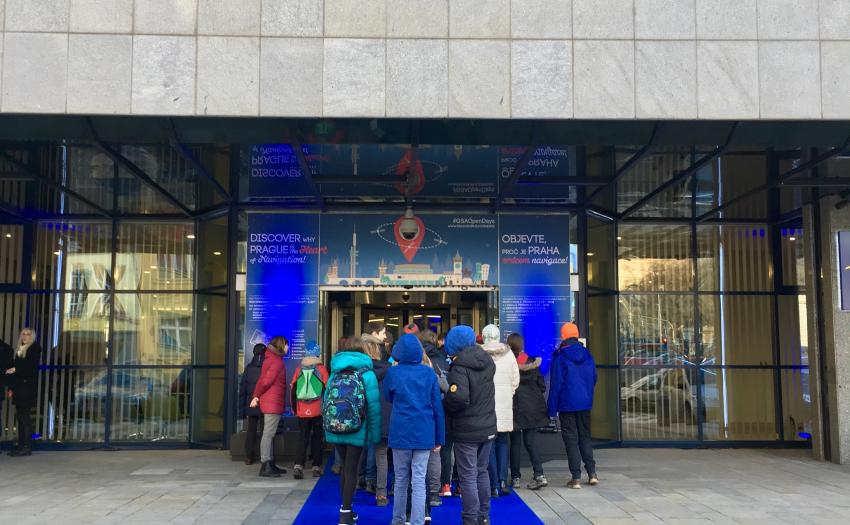
    The 2016 GSA Open Days was a chance for the public to get a behind-the-scenes look at the Galileo and EGNOS space programmes.

  • Image
    Date

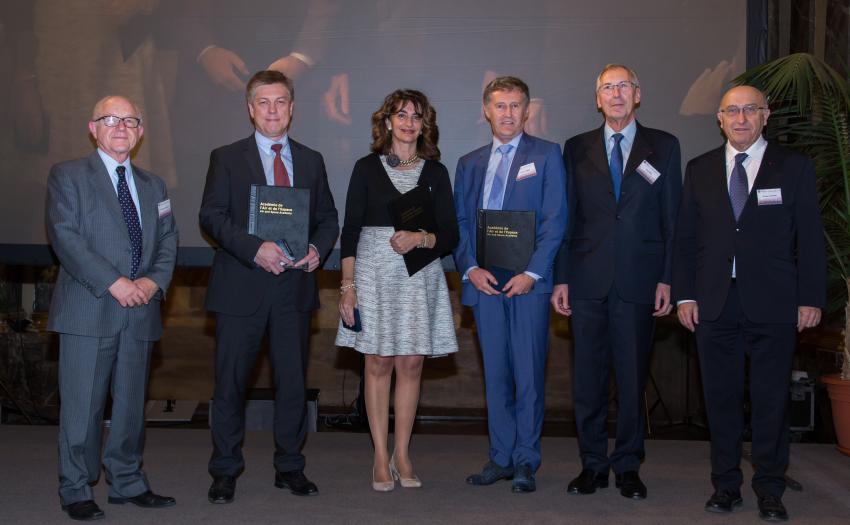
    France’s Air and Space Academy recognises EGNOS for its significant contribution to European space.

  • Image
    Date

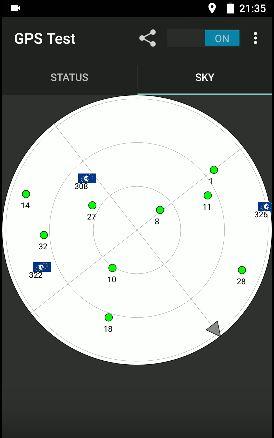
    The ability to access raw GNSS measurements opens up a range of opportunities for mobile app developers, but how do you access the data? During the first European GNSS Agency (GSA) Galileo Hackathon at the WhereCamp ‘unconference’ in Berlin Dr Lukasz Bonenberg from the University of Nottingham explained how app-developers can access raw GNSS measurements on smartphones via the latest release of the Android operating system.

  • Image
    Date

    With more signals and better accuracy, Galileo is an invaluable resource for mobile developers working on precise positioning applications. During the first Galileo Hackathon at the WhereCamp in Berlin, experts from the European Commission’s Joint Research Centre (JRC) shared how Galileo is boosting accuracy and making positioning applications more precise.

  • Image
    Date

    The scope of the European GNSS Agency’s (GSA) ISO 9001 certification has been extended to include the management of the Galileo exploitation phase and the operation of the Galileo Security Monitoring Centre (GSMC).