Environmental Monitoring

Satellite data, particularly Earth Observation data, have long played a pivotal role in environmental monitoring and resource management. But today it is also used for a range of new applications, including environmental auditing and ecosystem accounting. And, with an increased focus on sustainable development, the private sector is now leveraging EO data to assess the environmental impact of its activities and to support regulatory compliance.

Environmental Monitoring In Action

Image
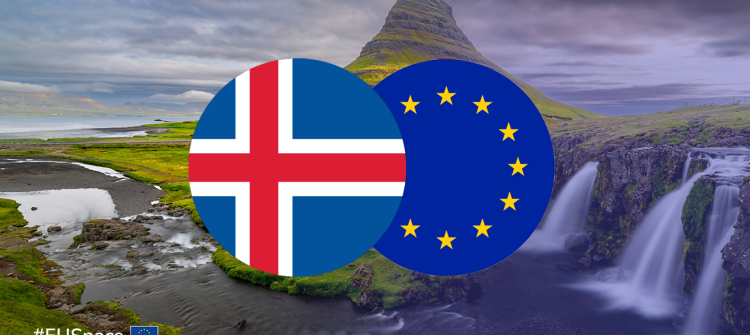
Iceland joins EUSPA's Administrative Board

EUSPA’s Administrative Board welcomes a new Member from Iceland, adding the country’s distinctive scientific expertise and geographic perspective to European Union’s Space Programme.

Image
World Habitat Day

Space-based technologies can reveal where habitats connect and how animals move through them. Combining Copernicus Earth observation with GNSS tracking can help protect corridors and support biodiversity conservation.

Image
Ilustrative image for the World Water Week

This World Water Week, discover how the EU Space Programme helps monitor water quality, track climate impacts and detect pollution, helping protect one of Earth’s most precious resources.

Image
UCP 2025 User Needs and Requirement Reports

Based on the User Consultation 2025 outcomes, explore how EU Space market segments are evolving and how these insights can support the further development of the EU Space Programme services and related technologies. 

Image
Copernicus heatwave

As July brings renewed heatwaves and temperatures above 40 °C in southern Europe, Copernicus Sentinel-3 data show how space-based observations support decisions on extreme heat and climate resilience.

Image
The aurora borealis displays vibrant colors in the night sky, caused by solar rays interacting with the Earth's atmosphere.

EU Space, and Copernicus data in particular, is being used for everything from sustainable research in Svalbard to helping ships avoid icebergs when navigating the Arctic Ocean.