News archive

Filters

Industry sectors
  • Image
    The 4th Horizon 2020 EGNSS Call will energise economic growth, foster digitisation and support environmental sustainability
    Date

    The 4th Horizon 2020 EGNSS Call opened on October 16, with four topics that leverage EGNSS innovation to energise economic growth, foster digitisation and support environmental sustainability, particularly in Europe’s cities. So, let’s take a look at the many R&D funding opportunities available to the GNSS community within this call.

  • Image
    ERL Emergency 2019 is targeting autonomous capabilities and seamless navigation for emergency robotic systems
    Date

    In emergency situations, robotic systems play a key role in providing rescue teams with remote access to an emergency site. The ERL Emergency Local Tournament 2019 aims to foster advanced developments of autonomous capabilities and seamless navigation for emergency robotic systems.

  • Image
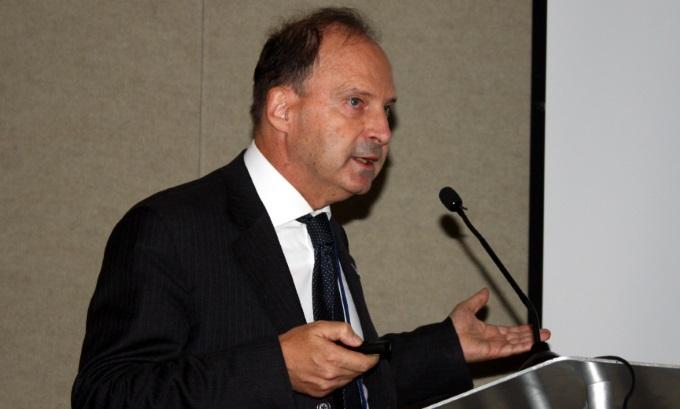
    GSA Head of Market Development Gian Gherardo Calini presented highlights from the GNSS User Technology Report at ION GNSS+ in Miami
    Date

    The European GNSS Agency (GSA), in cooperation with the European Commission, organised a demo session at the ION GNSS+ 2018 conference in Miami. Participants learned about the GSA’s GNSS User Technology Report, which covers breakthrough innovations expected in the coming years, and they heard from hands-on developers of hardware and applications that use Galileo-enabled, dual-frequency positioning.

  • Image
    A young visitor enjoying the packed programme at last year’s GSA Open Days
    Date

    World Space Week, an international celebration of the contribution of science and technology to the betterment of the human condition, ends today, October 10. However, some of the associated events extend well beyond the week. One such event is the GSA Open Days, to be held on 16-17 November, during Czech Space Week.

  • Image
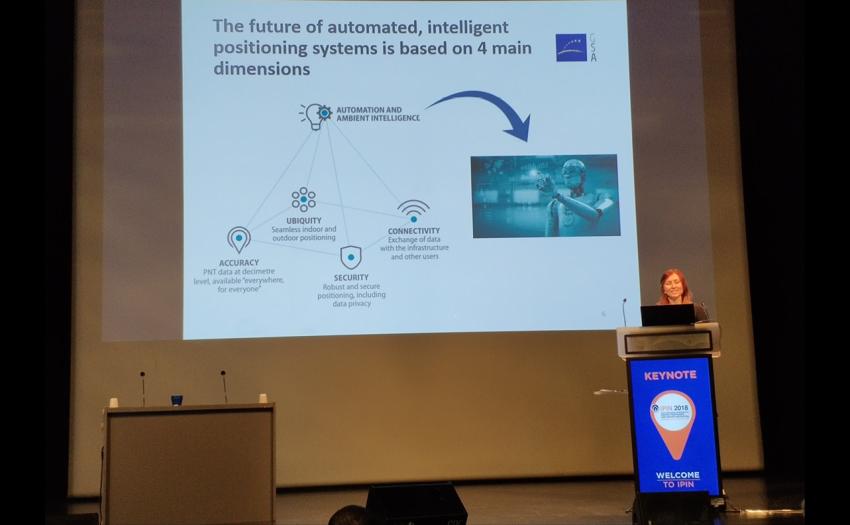
    The GSA’s Justyna Redelkiewicz delivering a keynote address at the IPIN 2018 indoor positioning and navigation conference
    Date

    Users don’t differentiate between good indoor and good outdoor positioning; they want solutions that deliver good positioning everywhere. Speaking at the IPIN 2018 indoor positioning and navigation conference in Nantes on 25 September, the European GNSS Agency’s Justyna Redelkiewicz presented the agency’s work to map user requirements along with the latest issue of its GNSS User Technology Report.

  • Image
    The GSA/JRC test campaign will support the maritime receiver industry with the implementation of Galileo
    Date

    The widespread uptake of GNSS in commercial shipping has raised the need for common performance, reliability and resilience standards. With this in mind, the European GNSS Agency (GSA) and the Joint Research Centre (JRC) are launching a test campaign to help manufacturers with the implementation of Galileo in maritime shipborne receivers while checking compliance with standards in the International Maritime Organisation (IMO) and the International Electrotechnical Commission (IEC).

  • Image
    The FE call aims at developing a Galileo-based positioning engine meeting full automation PVT performance.
    Date

    The European GNSS Agency (GSA) has opened a call for proposals within its Fundamental Elements funding mechanism, targeting the development of an innovative positioning On-Board-Unit (OBU) suitable for fully automated driving. The deadline for submissions is 1 March 2019.

  • Image
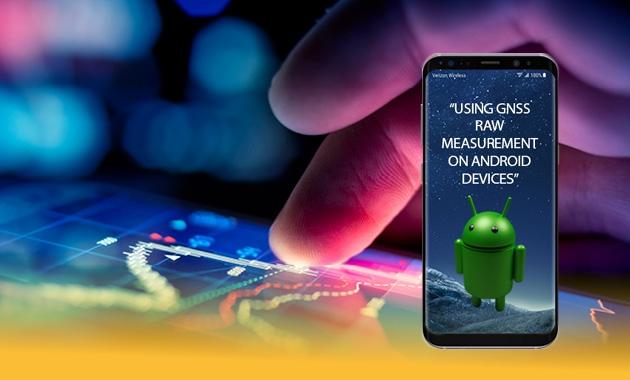
    A GNSS tutorial at IPIN 2018 highlighted the benefits of using raw measurements in Android
    Date

    With the release of Android 7 (Nougat) in 2016, Google made GNSS raw measurements available to smartphone users, allowing them to improve their positioning accuracy. A tutorial at the IPIN 2018 indoor positioning and navigation conference in Nantes on 24 September explained how users can access raw measurements and examined how they are contributing to better location performance in mass market applications.

  • Image
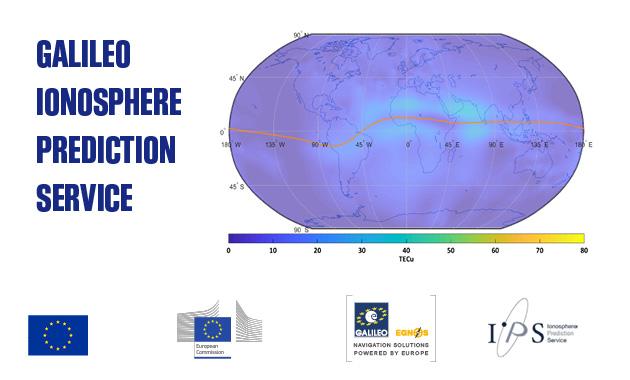
    The IPS anticipates any degradation of performance, allowing operators to put in place mitigation measures in good time.
    Date

    Ionospheric effects can be a major source of disruption to GNSS signals, so it is important to be able to predict and compensate for these disturbances. With this in mind, the European Commission-funded Galileo Ionosphere Prediction Service (IPS) monitors ionospheric activity and informs GNSS users in good time of an upcoming event that could disrupt GNSS signals and applications.