The new features of the latest iPhone 8, iPhone 8 Plus, and iPhone X launched on September 13, include built-in support for the European Galileo satellite system, among other GNSS. This multi-constellation support means that the new phones will offer more accurate positioning, making it harder for iPhone users to get lost, wherever they are.
With hurricanes battering the US, Europe just coming out of another hot summer, and all signs pointing to climate change – weather dominates both our headlines and our policy-making. But did you know that European GNSS plays an important and growing role in meteorology?
The Japanese government forecasts that 80% of the economic effects from QZSS will be in the car navigation, mobile terminal and value-added mobility application segments. The upcoming 2020 Tokyo Olympics will also give precise positioning and timing solutions an added boost. This instalment of our GNSS Asia series looks at Japan’s evolving QZSS system and the many benefits it is set to bring.
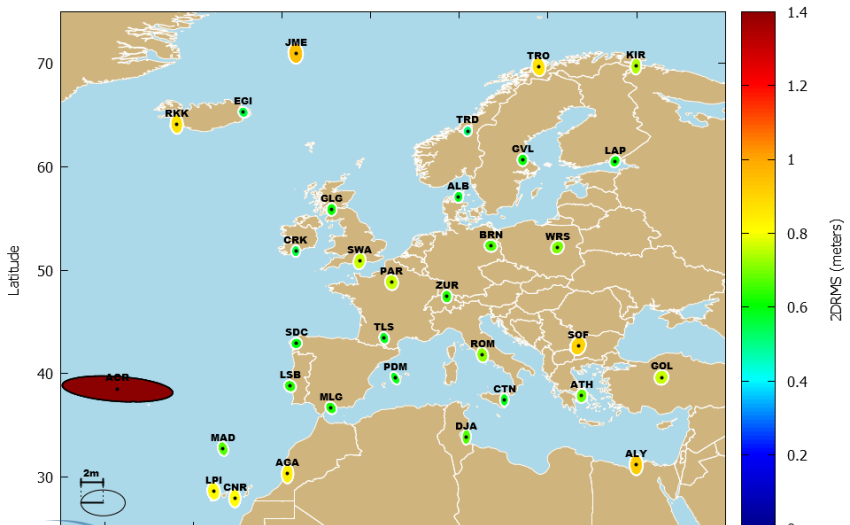
Under what conditions would an EGNOS High Accuracy service be beneficial? The European Commission in launching a study to find out EGNOS High Accuracy user needs and requirements, and applications.
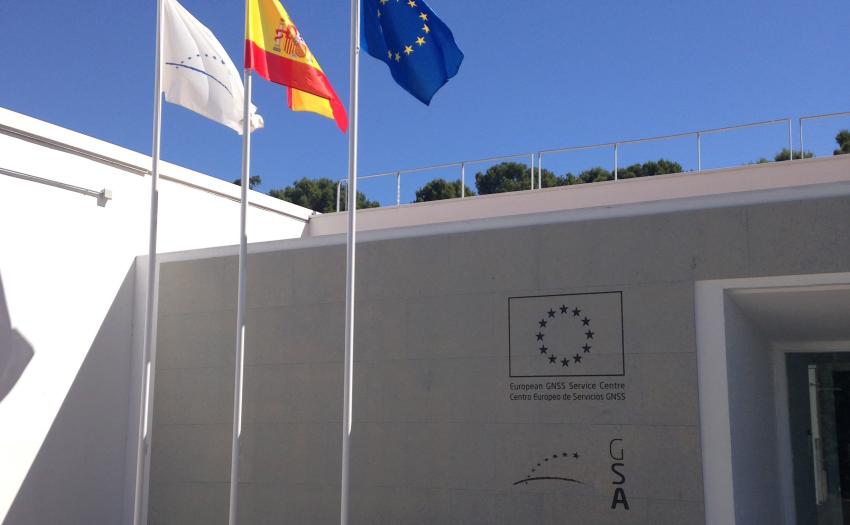
The European GNSS Agency (GSA), along with the European GNSS Service Centre (GSC), announce the commissioning of two additional satellites, bringing the total number of satellites available for the Galileo service provision to 18.
The new service contract aims to identify user needs and safety requirements in aviation, and how SBAS augmentation of GPS and Galileo in dual frequency can enhance aviation CNS/ATM services.
In this instalment of our GNSS in Asia series, we look at how the close cooperation between the GNSS.asia China team and China’s LBS association is resulting in big opportunities for EU companies.
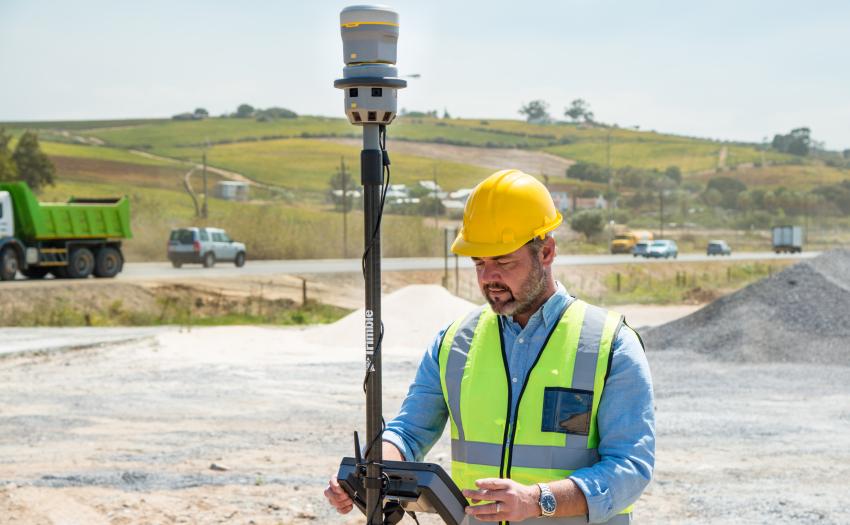
Speaking at a dedicated session entitled ‘Applications: Earth Sciences and Geo-Information’, part of EUREF’s annual symposium, representatives of the mapping and surveying sector discussed the various synergies between GNSS and Earth Observation and their use for providing real-time information about the state of the Earth’s troposphere.