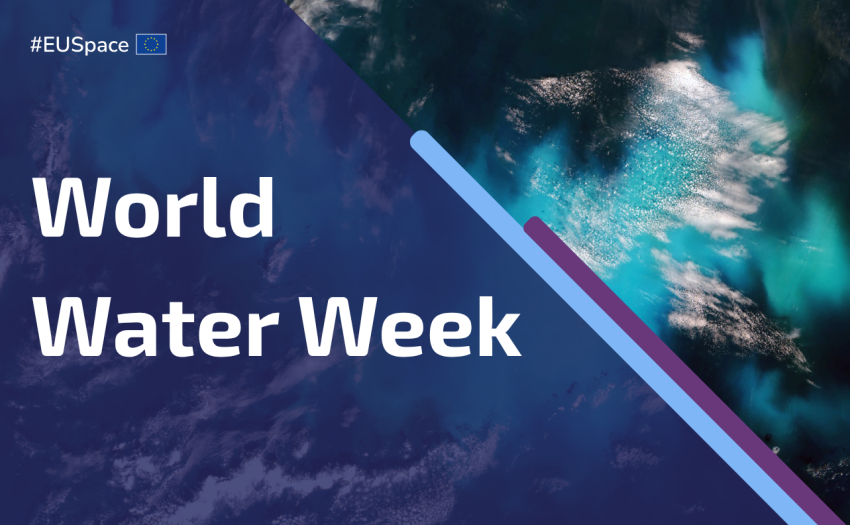
This World Water Week, discover how the EU Space Programme helps monitor water quality, track climate impacts and detect pollution, helping protect one of Earth’s most precious resources.
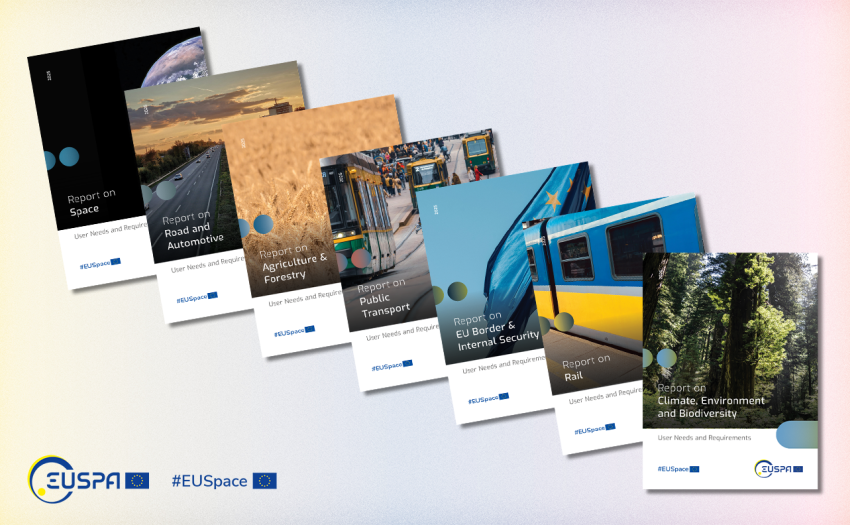
Based on the User Consultation 2025 outcomes, explore how EU Space market segments are evolving and how these insights can support the further development of the EU Space Programme services and related technologies.
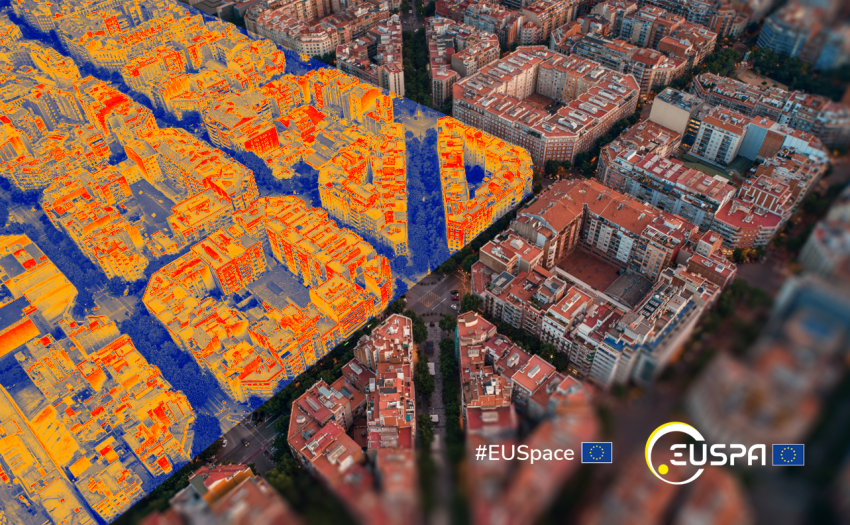
As July brings renewed heatwaves and temperatures above 40 °C in southern Europe, Copernicus Sentinel-3 data show how space-based observations support decisions on extreme heat and climate resilience.
Stakeholders explored how Copernicus data supports climate risk management, regulatory compliance, resilience, and innovation across insurance and finance sectors.
The report reflects how global space downstream sector has expanded beyond Earth Observation and Global Navigation Satellite System to include emerging areas like Secure Satellite Communication and Space Situational Awareness.
EU Space, and Copernicus data in particular, is being used for everything from sustainable research in Svalbard to helping ships avoid icebergs when navigating the Arctic Ocean.