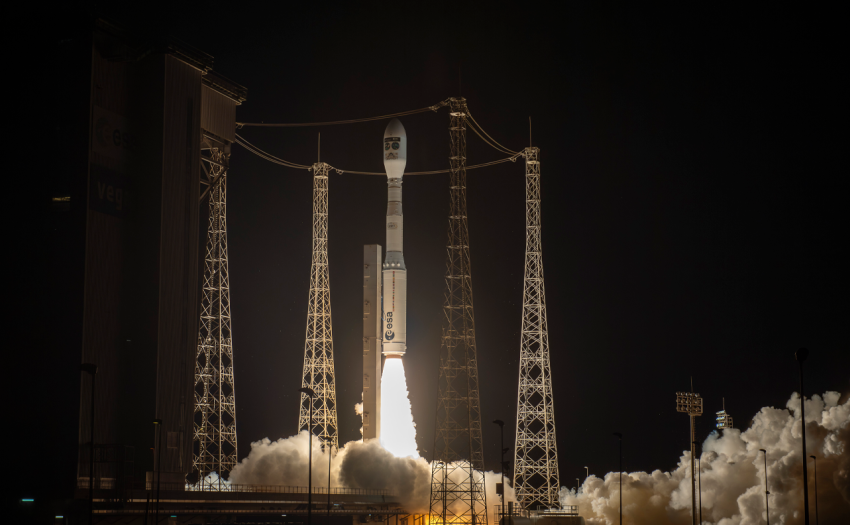
Sentinel-3C is now in orbit, set to support ocean monitoring and wildfire response while strengthening continuity of vital Earth observation data for users across Europe.
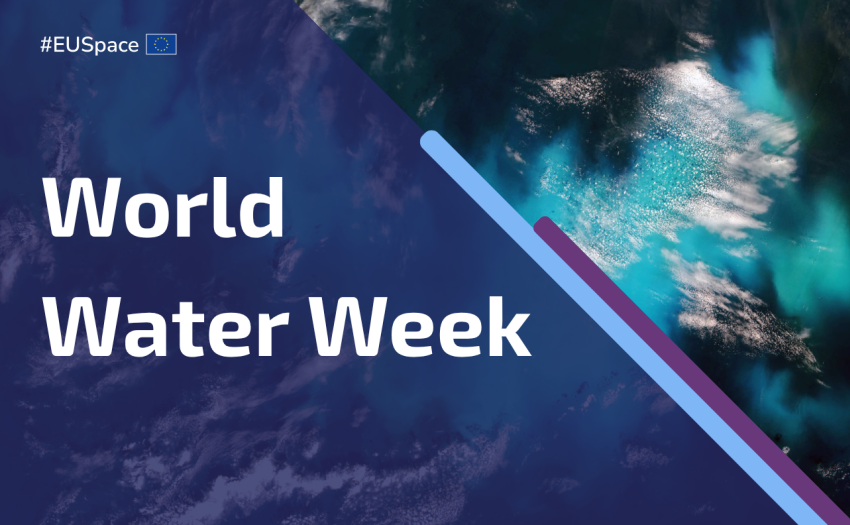
This World Water Week, discover how the EU Space Programme helps monitor water quality, track climate impacts and detect pollution, helping protect one of Earth’s most precious resources.
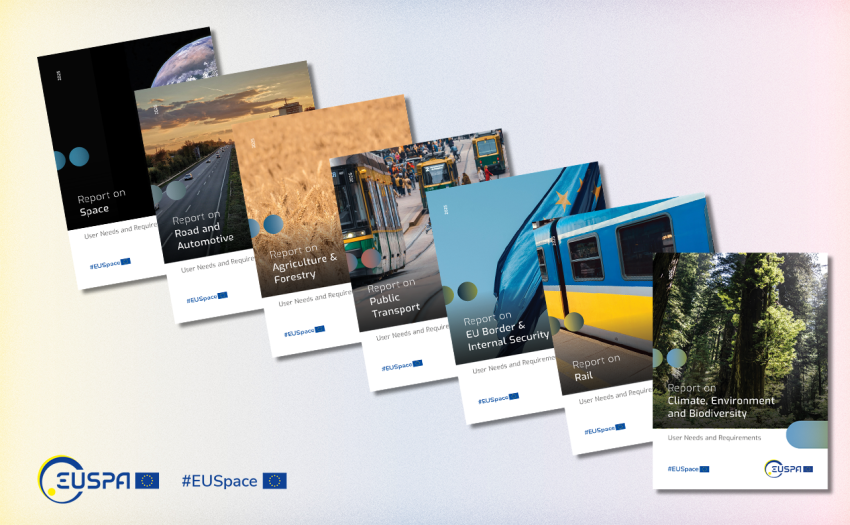
Based on the User Consultation 2025 outcomes, explore how EU Space market segments are evolving and how these insights can support the further development of the EU Space Programme services and related technologies.
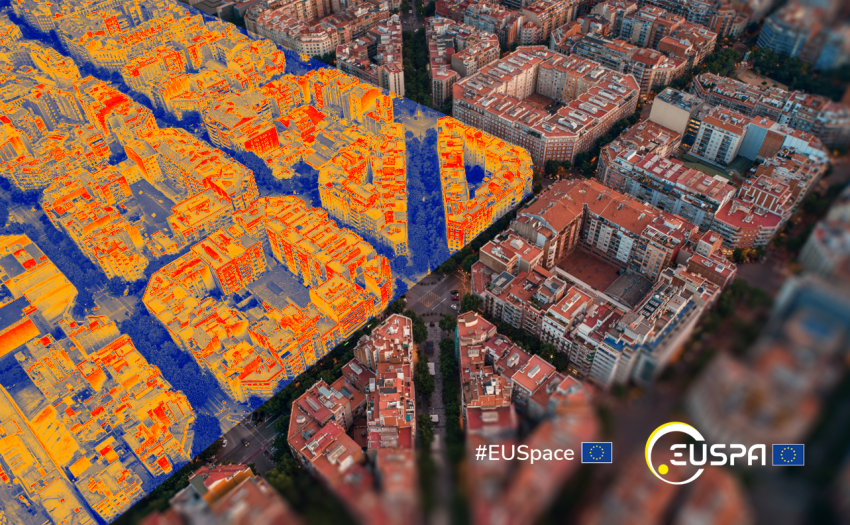
As July brings renewed heatwaves and temperatures above 40 °C in southern Europe, Copernicus Sentinel-3 data show how space-based observations support decisions on extreme heat and climate resilience.
An ambitious agenda anchored in competitiveness, values and security is being pursued by the Irish Presidency with EU Space positioned as a key instrument in delivering Europe’s strategic resilience and innovation.
EU Space, and Copernicus data in particular, is being used for everything from sustainable research in Svalbard to helping ships avoid icebergs when navigating the Arctic Ocean.
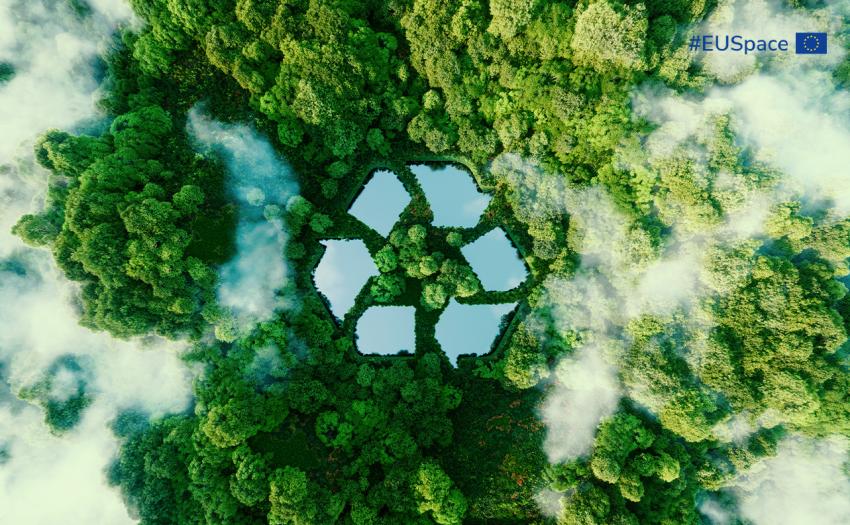
International Day of Zero Waste was 30 March – the perfect occasion to showcase how EU Space is helping Europe achieve its goal of becoming a zero-waste economy by 2050.
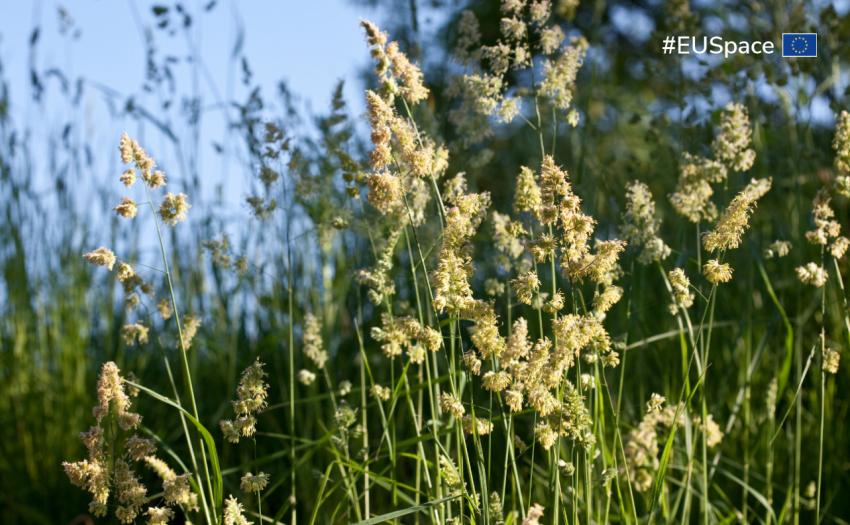
The Copernicus demonstrator for healthcare unlocks the potential of Copernicus Earth Observation data to provide insights to the healthcare & pharmaceutical sectors, by exploring the correlation between anti-allergy drug sales and pollen flight.
Leveraging the support they received via the CASSINI initiative, companies of all shapes and sizes have gone on to develop some very cool space-based solutions.