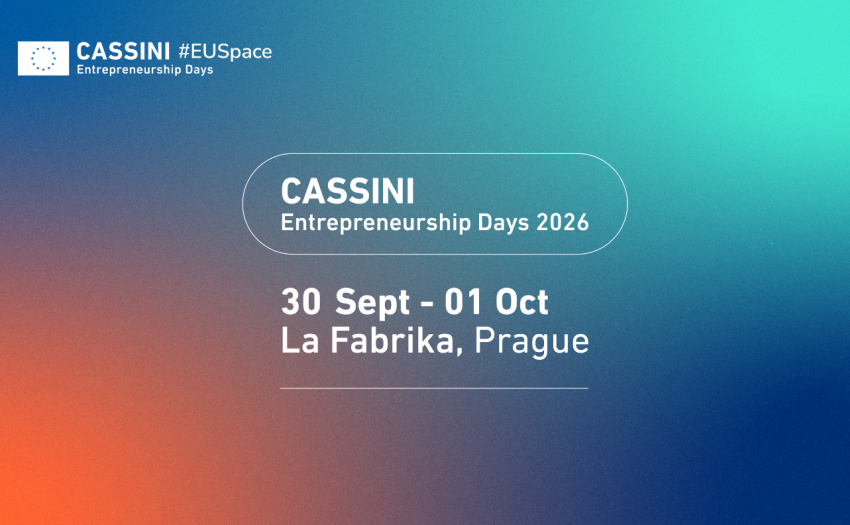
This annual event brings together promising startups, investors, accelerators, and industry and institutional leaders to discuss how European Union space tech ventures are adapting to evolving geopolitical and market dynamics.
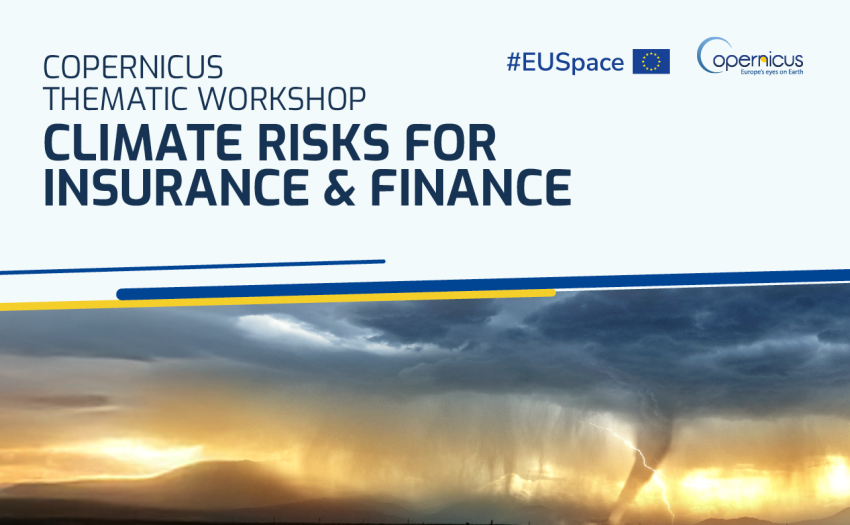
Stakeholders explored how Copernicus data supports climate risk management, regulatory compliance, resilience, and innovation across insurance and finance sectors.
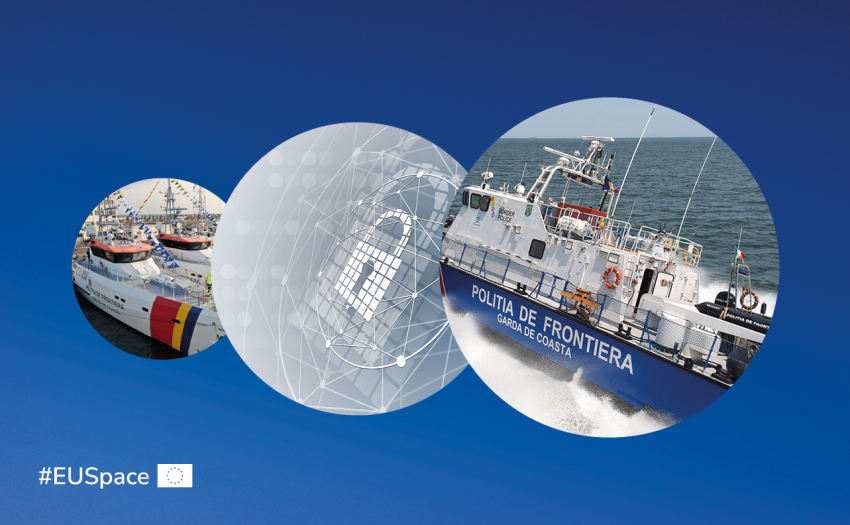
Romania will require Galileo-based authenticated positioning in new patrol vessels after a Black Sea pilot, leveraging EUSPA-delivered OSNMA to counter GNSS interference risks.
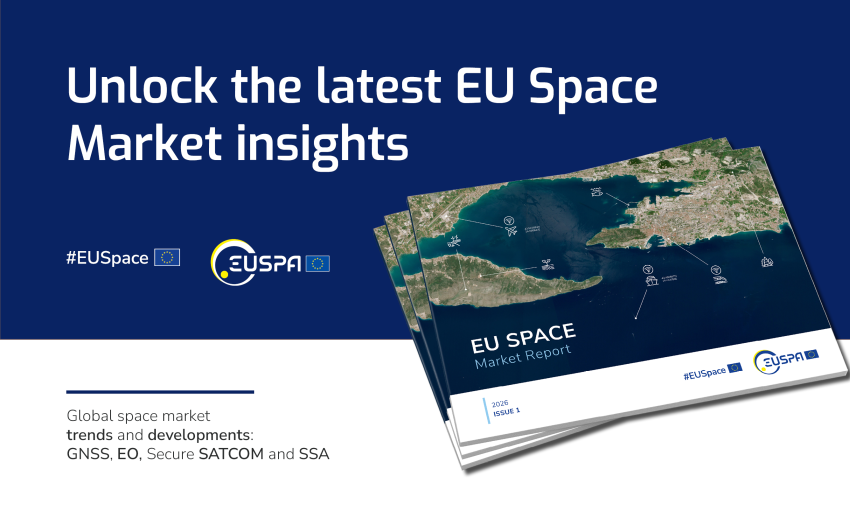
The report reflects how global space downstream sector has expanded beyond Earth Observation and Global Navigation Satellite System to include emerging areas like Secure Satellite Communication and Space Situational Awareness.
EUSPA’s Copernicus Demonstrators highlight how the insurance and finance, energy, and fisheries and aquaculture sectors can all benefit from using Earth Observation data.
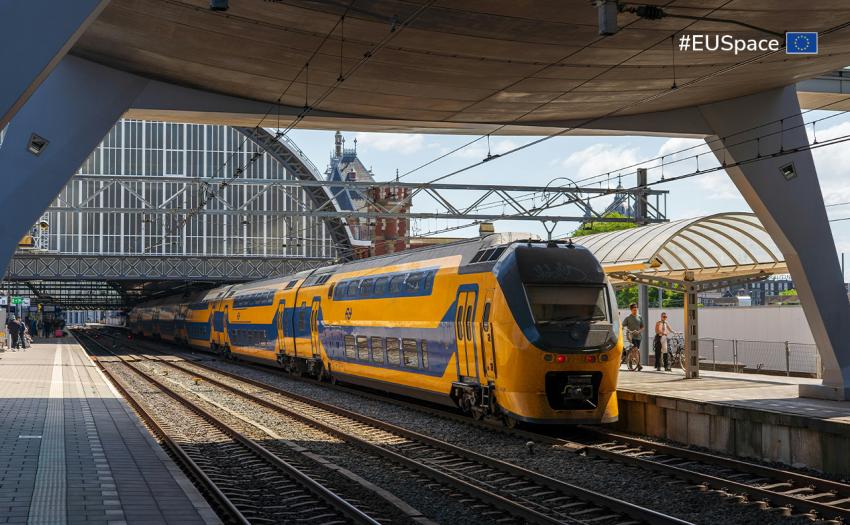
New State aid rules from the European Commission boost sustainable transport by enabling funding for European Global Navigation Satellite System integration in European Rail Traffic Management System, supporting wider deployment of EU Space-enabled rail solutions.
Under a new EU agreement, the Swiss Confederation will participate in Galileo and EGNOS activities implemented by EUSPA, enabling access to procurements and cooperation opportunities.