GANNI and EUSPA join forces in a pilot project leveraging Copernicus Earth observation data to monitor ecological changes and identify drivers of biodiversity loss linked to garment production in Portugal and Italy.
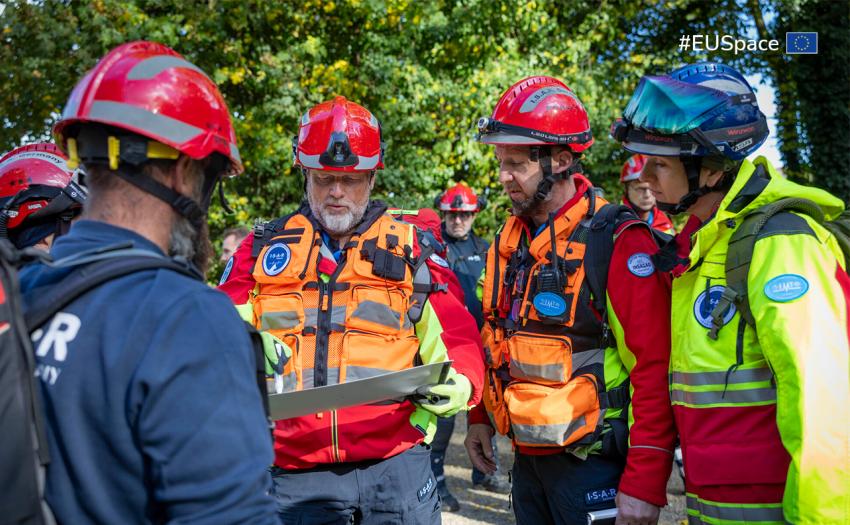
An EUSPA Horizon project shows how secure, interoperable satellite communications can strengthen Europe’s crisis response by ensuring resilient connectivity and better coordination for first responders.
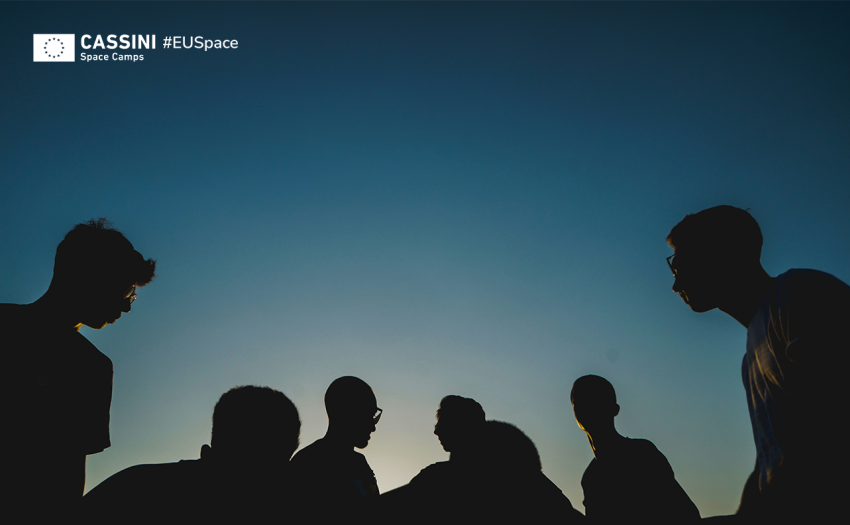
Over the summer of 2025, more than 180 young people aged 14–18 from across the EU took part in the first-ever CASSINI Space Camps: A pilot initiative launched under the CASSINI initiative of the European Commission’s to inspire the next generation of space entrepreneurs.
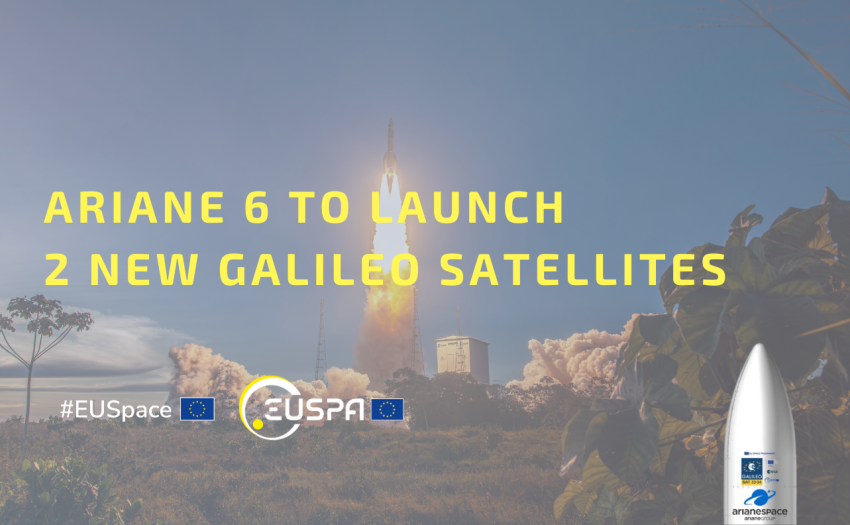
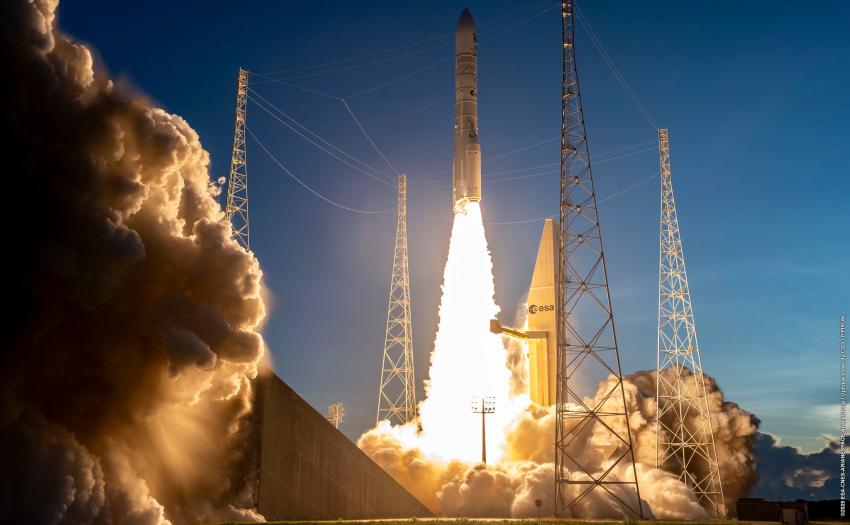
On 17 December 2025, Ariane 6 will launch two new Galileo satellites. The satellites will join the first-generation constellation, enhancing the European Union’s secure, autonomous and highly accurate positioning, navigation and timing capabilities.
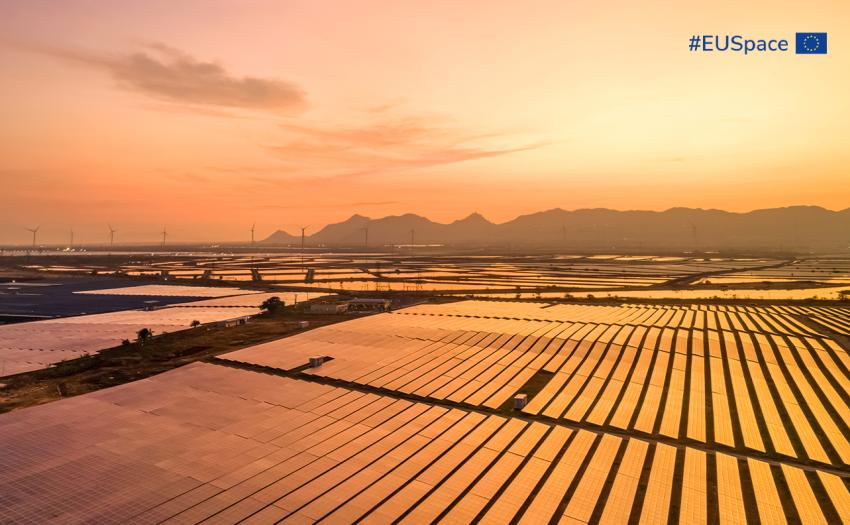
As Europe accelerates its green transition, the energy sector faces the dual challenge of rapidly expanding renewable capacity while ensuring grid stability and resilience against climate change. The EU's Copernicus programme provides essential Earth Observation data to support smarter planning, secure operations, and robust risk management across the entire energy value chain.
Part of the Fundamental Elements funding mechanism, the calls look to develop two receivers, one for the Galileo High Accuracy Service (HAS) and one that leverages Galileo’s key differentiators to meet the requirements of professional applications.
The Copernicus Thematic Workshop on Water will explore how Earth Observation supports sustainable water management, fostering dialogue among users, policymakers, and industry to shape future Copernicus services.
The EU Space Programme continues to advance, with the successful launch of Sentinel-1D, the upcoming Galileo Launch 14, and several additional missions planned for 2026, marking another strong step forward for Europe’s leadership in space and innovation.