News archive

Filters

Industry sectors
  • Image
    GNSS is a key technology underpinning future evolutions of the ERTMS
    Date

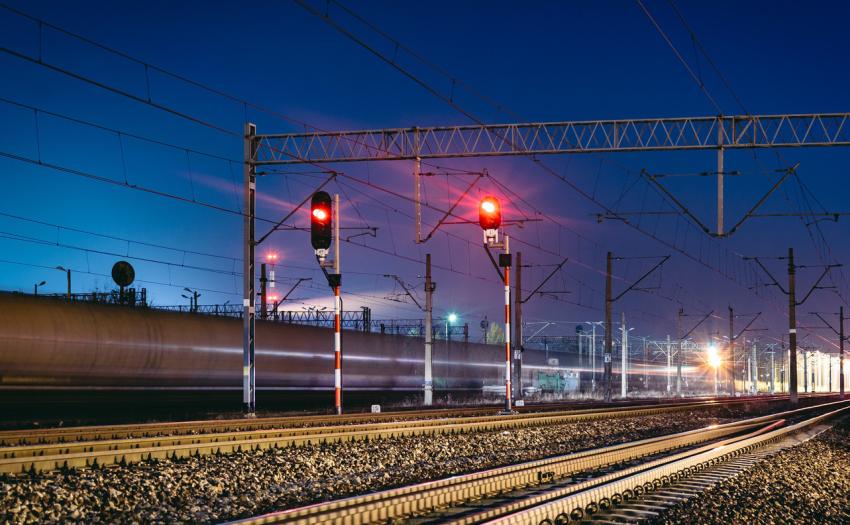
    A Work Plan for the European Railway Traffic Management System (ERTMS), published by the European Commission in May this year, lists satellite positioning as one of the game changing technologies underpinning future evolutions of the system and a key element to be included in future Technological Specifications for Interoperability (TSI).

  • Image
    Stakeholders shared the latest knowledge around raw measurement use at the Raw Measurements Workshop
    Date

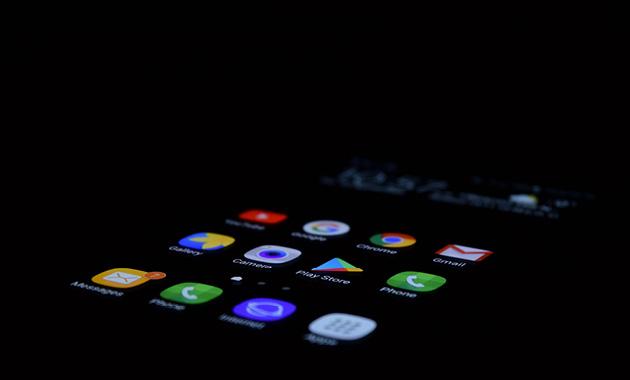
    Over 200 participants from 32 countries took part in the fourth GNSS Raw Measurements Task Force Workshop, held online on 27-28 May 2020. At the workshop, participants had the opportunity to learn about progress around the use of raw measurements in Android devices and to benefit from the experience of the GSA’s Raw Measurements Task Force.

  • Image
    Galileo Masters: a springboard for next-generation space applications
    Date

    Have an idea that uses Galileo positioning to address a pressing societal challenge? Take it to the next level by entering it in this year’s Galileo Masters competition. Every year, the Galileo Masters acts as a springboard for exciting new ideas and awards new applications and services that use Galileo and EGNOS, also in synergy with other space programmes, to respond to pressing needs facing business and society.

  • Image
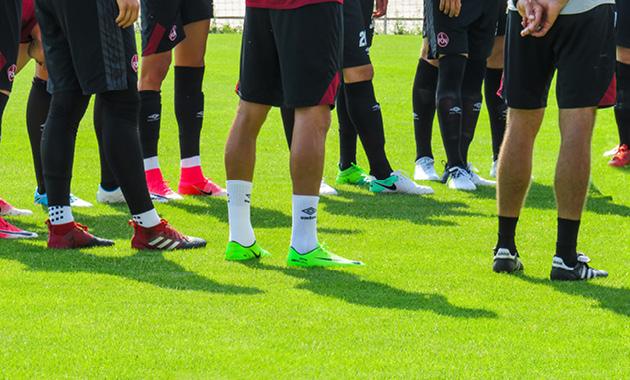
    JOHAN GNSS-enabled sports trackers help improve team performance.
    Date

    Winner of the GSA Special Prize at the 2013 European Satellite Navigation Competition (ESNC), JOHAN has successfully established a start-up and is expanding its products portfolio. The company has developed GNSS-enabled motion sensors for location determination and performance measurement of sports teams, especially football and hockey players. The latest version of the sports tracker - V5 - leverages EGNOS/SBAS for extra accuracy.

  • Image
    Collins Aerospace Global Landing Unit (GLU), GLU-2100 MMR, single frequency GPS L1 receiver, prototyped upgraded to support a GPS and Galileo DFMC GNSS and used as a baseline for the development of the ARAIM algorithm
    Date

    A webinar was organised by the Global ARAIM for Dual-Constellation (GLAD) project, co-funded by the European GNSS Agency (GSA), which is developing the Advanced Receiver Autonomous Integrity Monitoring (RAIM) prototype receiver under the Fundamental Elements programme. It took place on 24 June 2020 and covered the ARAIM concept and GLAD activities during the prototyping and demonstration of the results.

  • Image
    Synergies between GNSS and Earth observation can help tackle many of the challenges that Europe faces.
    Date

    By reinforcing synergies with other space technologies and working with all the Member States, while creating a favourable ecosystem, the impact of the space sector on economic growth in Europe will expand and create more jobs, according to European GNSS Agency (GSA) Acting Executive Director Pascal Claudel.

  • Image
    The combination of EGNSS with Earth observation can deliver significant benefits to the agricultural sector.
    Date

    GNSS and Earth observation experts came together at a webinar organised by the European GNSS Agency (GSA) on 26 May to discuss how combining Galileo and EGNOS navigation and positioning tools with the data and services offered by EU Earth observation programme Copernicus can be used to improve food security and make agriculture in general more efficient and sustainable.

  • Image
    The first Galileo-enabled trams in Prague are expected by the end of 2020
    Date

    The Prague Public Transit Company (DPP) has issued a tender for Galileo-enabled receivers to be included in Prague tramways as part of a modernization plan to increase network efficiency and improve user experience.

  • Image
    Galileo, EGNOS and Copernicus all contribute to making our seas and oceans safer and more sustainable
    Date

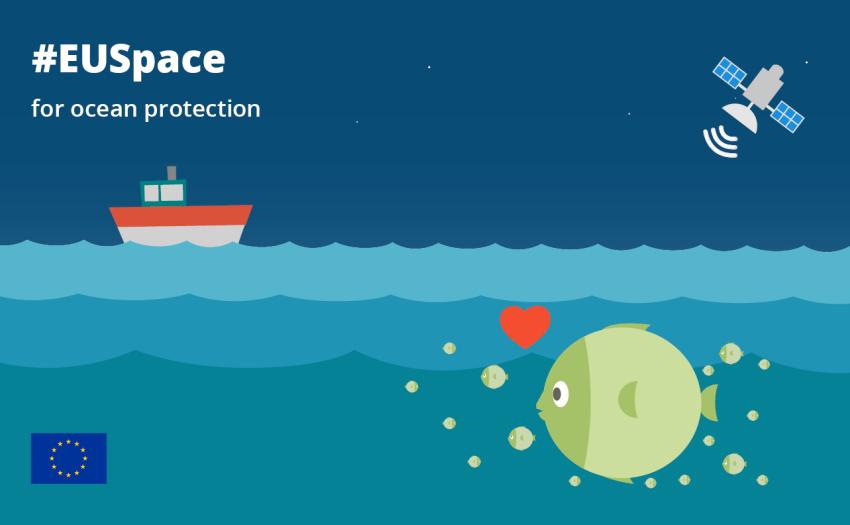
    On June 8 the world celebrates World Oceans Day, when people around the planet celebrate our oceans and seas and work to raise awareness about problems facing the marine environment. The EU space programmes Galileo, EGNOS and Copernicus, with their positioning, navigation and Earth observation services, are helping to monitor and protect the oceans and make Europe’s Blue Economy more sustainable, in support of the European Green Deal agenda.
  • Image
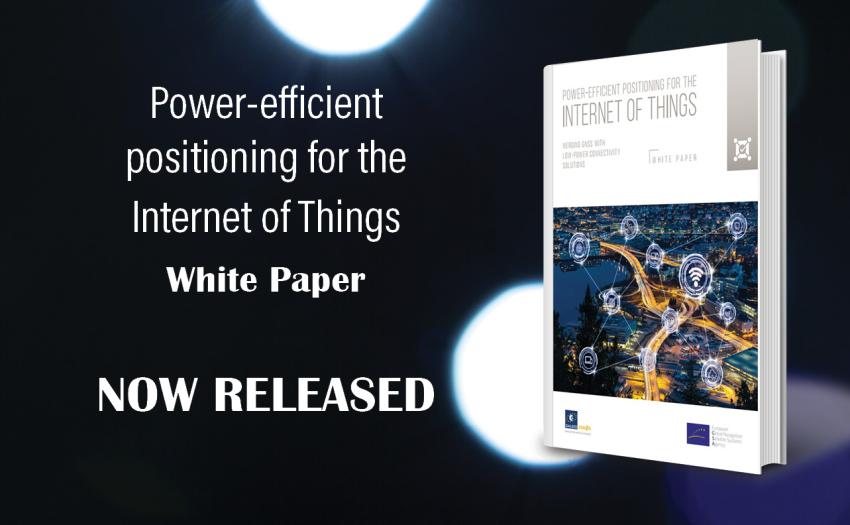
    The GSA White Paper looks at how positioning for the IoT can be made more power-efficient.
    Date

    The European GNSS Agency (GSA) has published a White Paper on “Power-efficient positioning for the Internet of Things”, providing an overview of GNSS technologies that are relevant for low-power IoT applications, including those that require hybridisation with other connectivity solutions. The GSA is organising a dedicated webinar on 18 June to present the main findings from the paper.