News archive

Filters

Industry sectors
  • Image
    Date

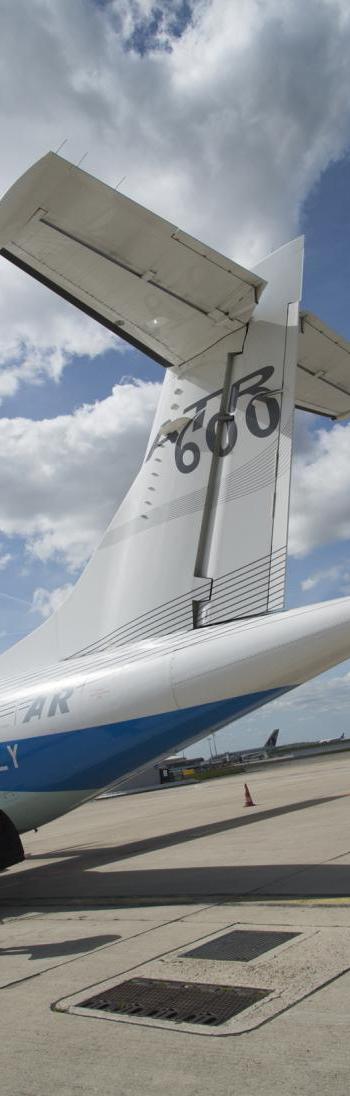
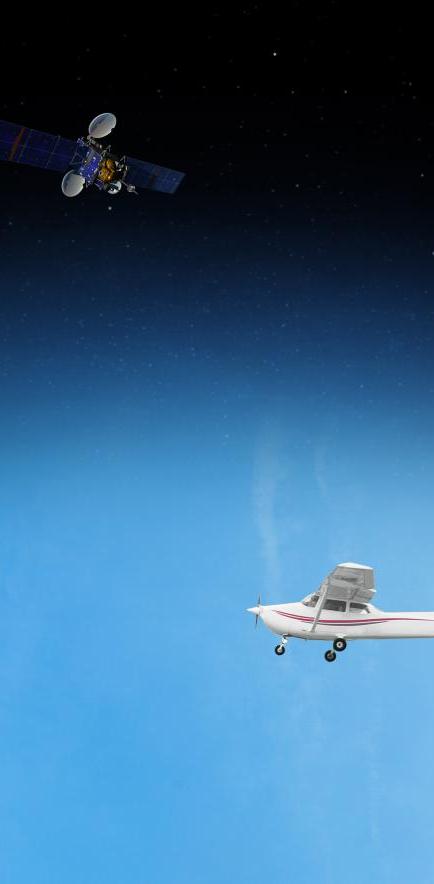
    AERO is the largest Europe-based trade show for general aviation. The show takes place annually in early April at the Friedrichshafen Messe in southern Germany. Celebrating its 25th anniversary, AERO 2017 was a record breaker with over 700 exhibitors featuring a wealth of flying machines and services, from business jets and gyrocopters to drones and gliders. GSA was there showcasing the benefits of EGNOS for aviation on a dedicated stand and through a series of ‘targeted conferences.’

  • Image
    Date

    Awarded as part of the European Satellite Navigation Competition (ESNC), which was launched at a kick-off meeting in Brussels on April 5, this year a Special Prize aims to find the best ideas using European GNSS (Galileo and EGNOS) that contribute to European integration.

  • Image
    Date

    From 1 April to 30 June 2017, the European Satellite Navigation Competition (known as the ‘Galileo Masters’), the largest international competition for the innovative use of satellite navigation, will be scouting for outstanding ideas and business models to put on the fast track.

  • Image
    Date

    To help eastern European countries implement EGNOS-based LPV procedures, the GSA-funded BEYOND project organised an array of workshops and training aimed at building the region’s European GNSS capacity.

  • Image
    Date

    The all-new 2017 GSA GNSS Market Report will be launched in May, and here’s a sneak peek at the market intelligence and insight you’ll find inside.

  • Image
    Date

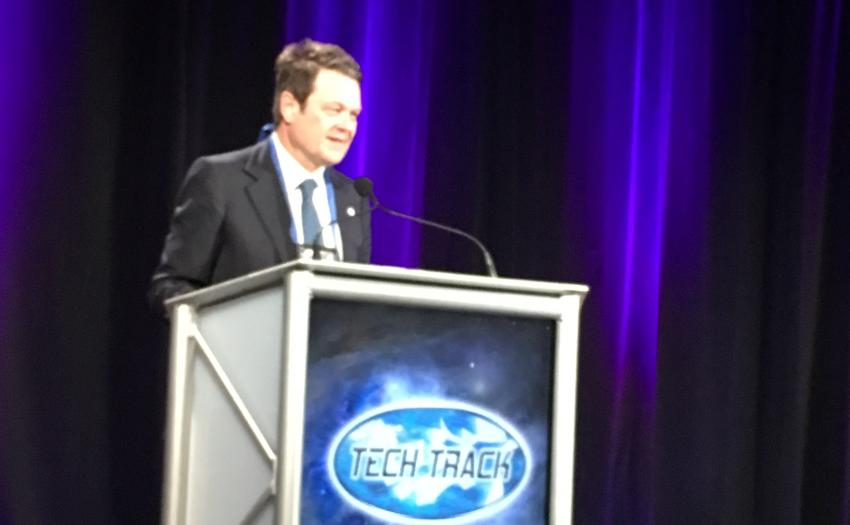
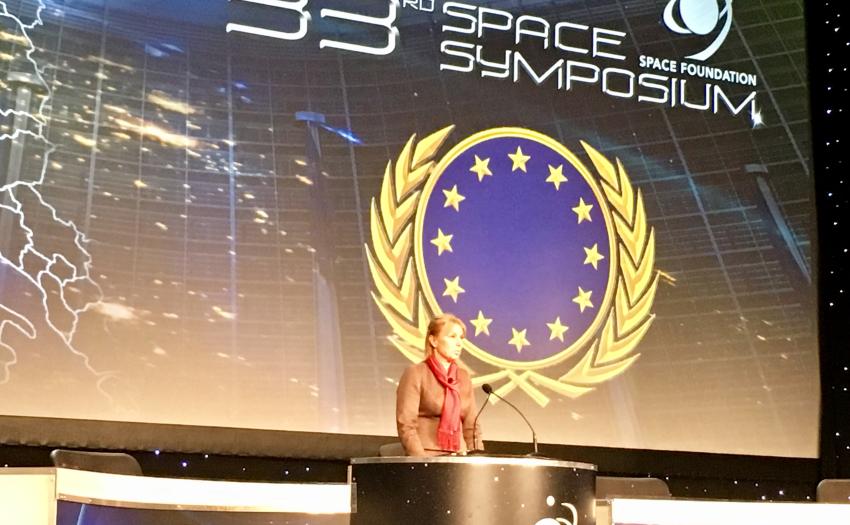
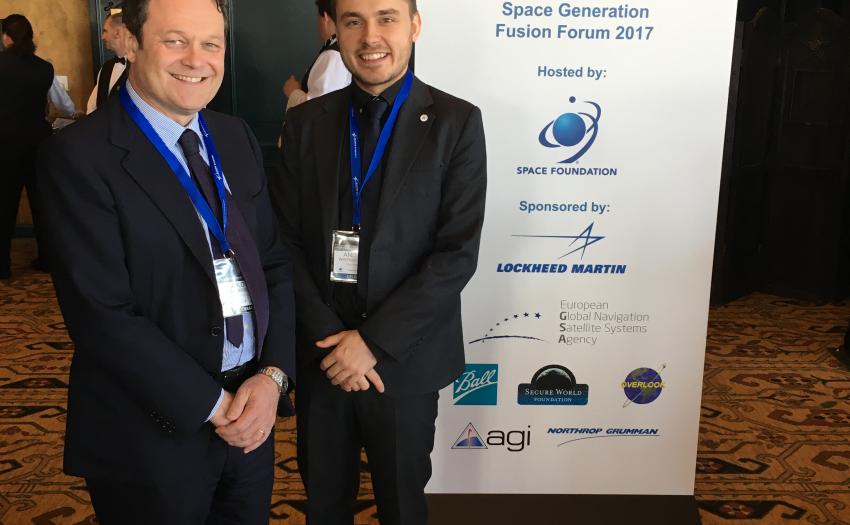
    For the first time, European Union officials presented keynote addresses at the world’s premier space conference as progress of the EU’s flagship space programmes – Galileo, EGNOS and Copernicus – puts the EU firmly in the club of global space service providers.

  • Image
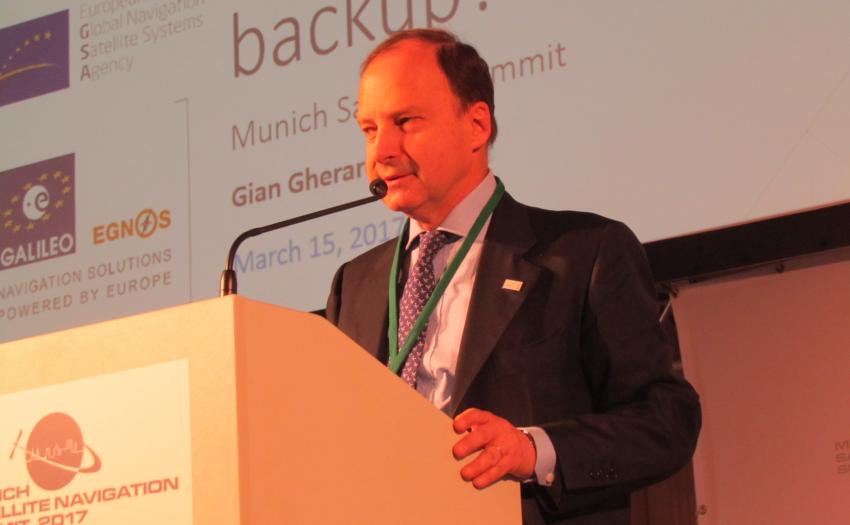
    Gian-Gherardo Calini of GSA speaking at the Munich summit
    Date

    The main theme of the 2017 Munich Satellite Navigation Summit was ‘GNSS – is it time for backup?’ The GSA was present to help provide answers to this question and update the global GNSS community on progress and future trends in its programmes, including discussion on possible requirements for a second generation of Galileo satellites.