Today, representatives from the EU Space Surveillance and Tracking (EU SST) Partnership, the EU SST Front Desk and SST users and partners are meeting in Brussels to celebrate 10 years of EU SST operations, in an event organised by the European Commission (DG DEFIS).
EUSPA’s Administrative Board welcomes a new Member from Iceland, adding the country’s distinctive scientific expertise and geographic perspective to European Union’s Space Programme.
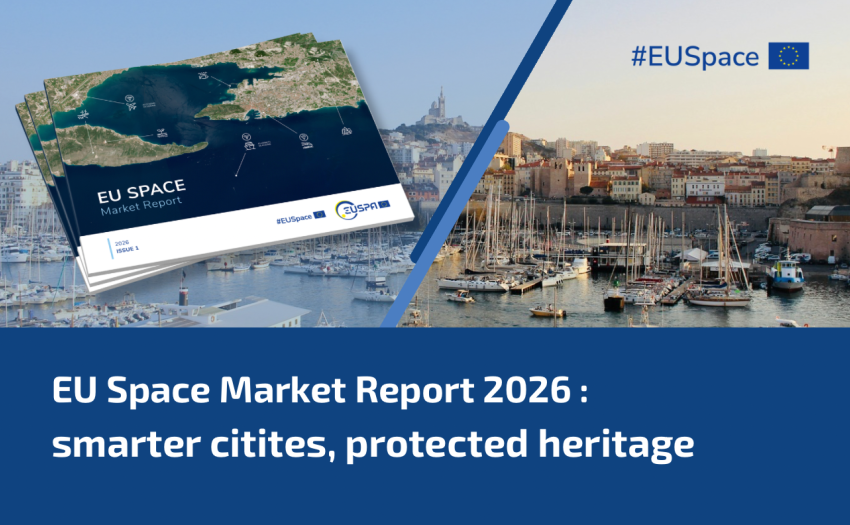
From smarter urban planning to protecting historic landmarks, satellite data are transforming how cities understand and manage the built environment. Part 2 of our EU Space Market Report series explores the trends behind this shift.
Space-based technologies can reveal where habitats connect and how animals move through them. Combining Copernicus Earth observation with GNSS tracking can help protect corridors and support biodiversity conservation.
From 30 September to 1 October 2026, the CASSINI Entrepreneurship Days united Europe’s space community to foster partnerships, explore EU funding and celebrate the 2026 CASSINI Challenges winners.
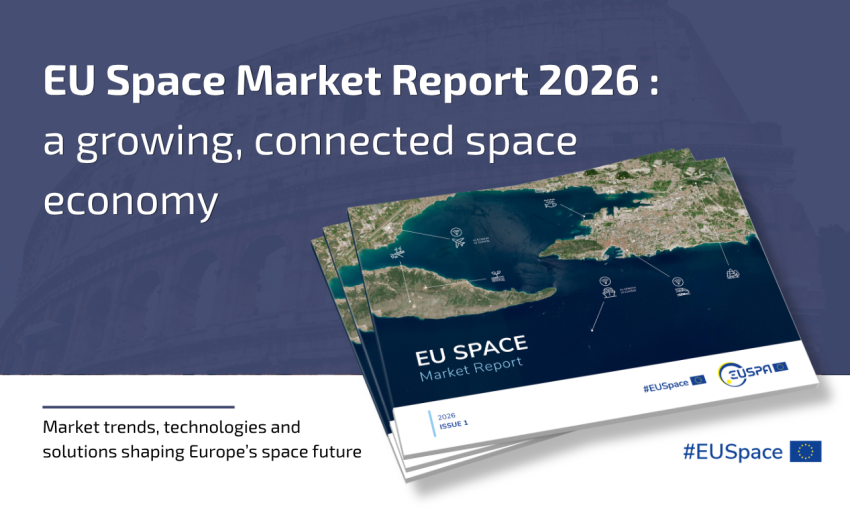
Europe’s space economy is entering a new growth phase. This first article in our new series explores the key market trends, technologies and applications shaping the future of the EU Space Programme.
Get ready for engaging presentations, immersive experiences and fun activities for all ages as EUSPA Open Days is starting again on 13 and 14 November 2026!